
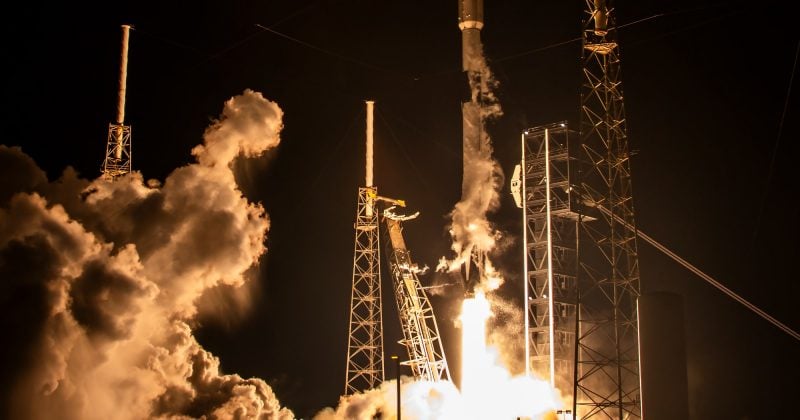
Via space.com
SpaceX ends Q2 with $100B in cash and $48B backlog as AI spending balloons
The newly public rocket company is sitting on a mountain of cash while burning billions on AI infrastructure, and investors are about to get their first real look under the hood
SpaceX is heading into its first-ever quarterly earnings report with the kind of balance sheet that makes even the most skeptical analyst pause. The company’s CFO has disclosed a $100 billion cash reserve and a $47.5 billion backlog heading into Q2, numbers that would look healthy for a company that’s been public for decades, let alone one that IPO’d roughly two months ago.
But here’s the thing. Those headline figures are sharing space with a $15.828 billion AI capital expenditure line item for the quarter and a history of multi-billion-dollar net losses. SpaceX isn’t just building rockets. It’s placing an enormous bet on artificial intelligence infrastructure while still trying to prove it can operate profitably at scale.
The numbers behind the narrative
The full Q2 2026 earnings report drops on August 4, after the market closes. It will mark the first time public investors get a comprehensive look at SpaceX’s financials since the company began trading in June 2026.
The $47.5 billion backlog represents contracted revenue that hasn’t been recognized yet, essentially a pipeline of future business that stretches across SpaceX’s launch services, government contracts, and Starlink satellite internet subscriptions.
At $15.828 billion in a single quarter, SpaceX’s capital expenditure on artificial intelligence dwarfs what most dedicated AI companies spend in an entire year.
In Q1 2026, SpaceX posted a net loss of $4.28 billion against revenue of $4.69 billion. For the full year 2025, the company recorded a total net loss of $4.9 billion. In other words, one quarter of 2026 nearly matched an entire year’s worth of losses from the prior year.
AI, tech, and the markets they move—in one daily briefing.
Daily. Free. Join 34,000+ readers across crypto, finance, and policy.
What Starlink and Starship mean for the backlog
Two programs will dominate analyst attention when the earnings call begins: Starlink and Starship.
Starlink, SpaceX’s satellite internet constellation, has become the company’s most visible revenue engine. The service now operates across dozens of countries and has contracts with governments, airlines, and maritime operators.
Starship, meanwhile, represents SpaceX’s most ambitious and most expensive program. The fully reusable super-heavy launch vehicle is designed to carry cargo and eventually humans to the Moon and Mars.
Why crypto and tech investors should care
SpaceX has no known crypto holdings, no blockchain initiatives, and no token-related revenue streams. Zero mentions of digital assets have appeared in the company’s recent financial reporting. That alone is notable in an era when companies from Tesla to MicroStrategy have woven Bitcoin into their treasury strategies.
There’s also the Elon Musk factor. Tesla’s Bitcoin purchases in 2021 sent prices surging. Musk’s social media commentary has whipsawed Dogecoin. SpaceX going public and delivering strong cash position numbers reinforces Musk’s credibility as a capital allocator, which indirectly buttresses sentiment around any asset class he touches.
For traditional investors evaluating SpaceX’s August 4 report, the key metrics will be revenue growth trajectory, Starlink subscriber numbers, Starship development milestones, and whether the company can demonstrate a credible path from $4 billion quarterly losses to operational breakeven.