
https://en.wikipedia.org/wiki/Strait_of_Hormuz
U.S. and Gulf states reject Iran’s Strait of Hormuz fee demand, insisting on reopening and security guarantees first
US charges Hormuz fees
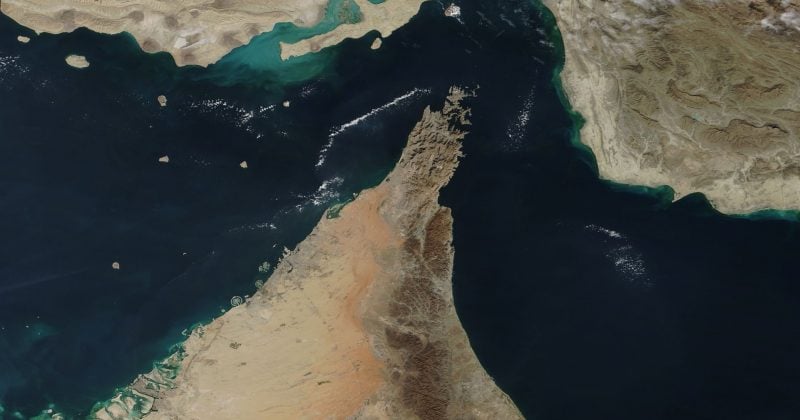
The United States and Gulf states have collectively rejected Iran’s demand for fees related to passage through the Strait of Hormuz, according to a Wall Street Journal report. This decision underscores a unified stance that any sanctions relief or concessions will require Iran to first ensure the reopening of the strait and provide guarantees for shipping safety and regional security. The Strait of Hormuz remains a critical energy chokepoint, with a significant portion of the world’s oil and liquefied natural gas passing through it. This diplomatic impasse is part of ongoing tensions between the U.S. and Iran, with key geopolitical implications for global energy markets.
In prediction markets, this firm stance appears to have impacted the “US charges Hormuz fees” market. The odds of the U.S. charging Hormuz fees by August 31 have decreased to 1.6% from 2% over the past 24 hours. Similarly, the December 31 market shows an 8.5% likelihood, slightly up from 8%, suggesting that market participants are increasingly viewing the scenario of U.S.-imposed fees as unlikely. Meanwhile, the market for the Strait of Hormuz traffic returning to normal by August 31 has seen a rise, with odds reaching 18.5%, reflecting some optimism for a resolution.
Key Takeaways
- Market pricing suggests a decreasing likelihood of U.S. charging Hormuz fees, with odds currently at 1.6% for August 31.
- The rejection of Iran’s demands appears consistent with market participants’ views that the U.S. will not implement fees, as reflected in current pricing.
- Odds for normal traffic in the Strait of Hormuz by August 31 have increased to 18.5%, indicating some expectation of de-escalation.
What to Watch
Observers should monitor any diplomatic developments between Iran and the U.S. that could alter current market perceptions. Announcements indicating progress in negotiations or changes in the stance of key actors like Donald Trump or Marco Rubio could shift market dynamics. Additionally, any official updates on the status of the Strait of Hormuz, including vessel traffic changes or security guarantees, may influence market sentiment and pricing.