
US equity futures steady as Big Tech selloff eases and Brent crude slips below $100

US equity futures steady as Big Tech selloff eases and Brent crude slips below $100

Markets catch their breath after a sharp single-day drop, with energy prices adding a macro twist that crypto traders should watch closely

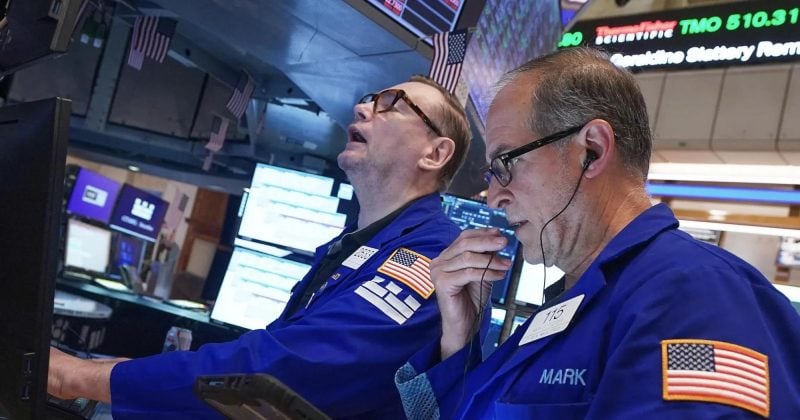
After a bruising session, US equity futures found their footing. The stabilization came as the selloff in Big Tech names lost momentum, giving investors their first real exhale in what had been a tense stretch of trading.

Brent crude falling below $100 per barrel is the subplot worth watching. Oil crossing below a major psychological threshold tends to signal one of two things: demand worries, or a genuine easing of the supply crunch that has kept energy prices elevated.

What actually happened

The day prior saw a sharp one-day drop across US equities, with Big Tech bearing the brunt of the selling pressure. By July 24, 2026, futures had stabilized, suggesting the panic was at least temporarily exhausted.

Advertisement

Brent crude dipping below $100 adds a macro layer to an already complicated picture. Energy prices feed directly into inflation data, which feeds directly into central bank policy decisions, which feed directly into how risky assets are priced.

Why this matters beyond traditional markets

Brent crude falling below $100 carries its own relevance to energy-intensive industries. Elevated energy prices have historically been a headwind for Bitcoin mining economics, since electricity costs move in loose correlation with broader energy markets. Cheaper energy inputs improve miner margins, which reduces sell pressure from miners who liquidate Bitcoin to cover operational costs.

What investors should watch from here

The stabilization in futures is encouraging, but one steady session does not make a trend. The prior day’s sharp drop suggests there is still underlying nervousness in the market.

The absence of a specific catalyst driving either the prior selloff or the subsequent stabilization complicates the read. Markets moving sharply without an obvious news driver can sometimes mean participants are reacting to positioning, technical levels, or liquidity conditions rather than fundamentals.

Traders navigating this environment should treat the Brent crude level as a live indicator. If oil continues declining, the macro argument for risk assets strengthens. If it bounces back above $100, the inflation narrative returns, and with it, pressure on growth-sensitive assets.

Disclosure: This article was edited by Editorial Team. For more information on how we create and review content, see our Editorial Policy.

US equity futures steady as Big Tech selloff eases and Brent crude slips below $100

US equity futures steady as Big Tech selloff eases and Brent crude slips below $100

Markets catch their breath after a sharp single-day drop, with energy prices adding a macro twist that crypto traders should watch closely

After a bruising session, US equity futures found their footing. The stabilization came as the selloff in Big Tech names lost momentum, giving investors their first real exhale in what had been a tense stretch of trading.

Brent crude falling below $100 per barrel is the subplot worth watching. Oil crossing below a major psychological threshold tends to signal one of two things: demand worries, or a genuine easing of the supply crunch that has kept energy prices elevated.

What actually happened

The day prior saw a sharp one-day drop across US equities, with Big Tech bearing the brunt of the selling pressure. By July 24, 2026, futures had stabilized, suggesting the panic was at least temporarily exhausted.

Advertisement

Brent crude dipping below $100 adds a macro layer to an already complicated picture. Energy prices feed directly into inflation data, which feeds directly into central bank policy decisions, which feed directly into how risky assets are priced.

Why this matters beyond traditional markets

Brent crude falling below $100 carries its own relevance to energy-intensive industries. Elevated energy prices have historically been a headwind for Bitcoin mining economics, since electricity costs move in loose correlation with broader energy markets. Cheaper energy inputs improve miner margins, which reduces sell pressure from miners who liquidate Bitcoin to cover operational costs.

What investors should watch from here

The stabilization in futures is encouraging, but one steady session does not make a trend. The prior day’s sharp drop suggests there is still underlying nervousness in the market.

The absence of a specific catalyst driving either the prior selloff or the subsequent stabilization complicates the read. Markets moving sharply without an obvious news driver can sometimes mean participants are reacting to positioning, technical levels, or liquidity conditions rather than fundamentals.

Traders navigating this environment should treat the Brent crude level as a live indicator. If oil continues declining, the macro argument for risk assets strengthens. If it bounces back above $100, the inflation narrative returns, and with it, pressure on growth-sensitive assets.

Disclosure: This article was edited by Editorial Team. For more information on how we create and review content, see our Editorial Policy.