
Three US soldiers killed as US-Iran conflict escalates with strikes in Jordan and Iraq

Three US soldiers killed as US-Iran conflict escalates with strikes in Jordan and Iraq

Fresh casualties push the US military death toll to 17 since hostilities resumed in February, with retaliatory airstrikes now targeting Iranian forces near the Strait of Hormuz

The US-Iran conflict claimed three more American lives over a 24-hour stretch this past weekend, a grim reminder that ceasefires in this part of the world tend to be written in pencil.

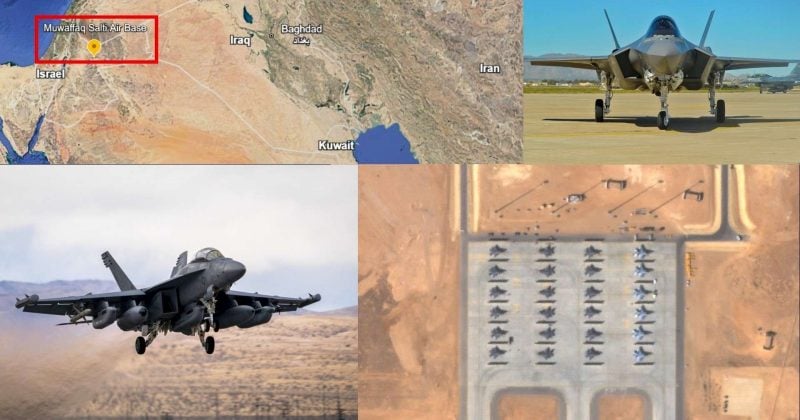
Two US service members were killed and a third went missing after Iranian ballistic missile and drone strikes hit a US military base in Jordan on July 17 and 18, 2026. The remains of the missing service member were later recovered. A separate death was confirmed in northern Iraq on July 18, bringing the weekend toll to three.

What happened and why it matters

These were the first deadly strikes on US personnel since a ceasefire was declared the previous month.

Four additional service members were medically evacuated following the attacks, according to CENTCOM. The combination of ballistic missiles and drone strikes hitting a Jordanian base signals a deliberate escalation, not a stray incident.

Advertisement

The total US military death count in the conflict has now reached 17 since hostilities formally resumed on February 28, 2026.

The US delivered a response. American forces launched retaliatory airstrikes aimed at degrading Iranian Revolutionary Guard Corps capabilities and reasserting control over shipping lanes in the Strait of Hormuz.

The Strait of Hormuz and why markets are paying attention

Roughly 20% of global oil supply passes through the Strait of Hormuz. Any serious disruption there does not stay a geopolitical story for long. It becomes an energy price story, then an inflation story, then a central bank story.

What is notable here is the absence of any direct crypto market reaction in the immediate aftermath of the weekend’s attacks, consistent with the research finding no references to any crypto tokens or market implications in the reporting on the conflict.

Oil prices are the more immediate transmission mechanism. If Hormuz shipping faces sustained disruption, energy cost increases flow through to corporate margins, consumer prices, and central bank rate calculus.

What investors should watch from here

The ceasefire that broke down this weekend was only declared the previous month. The speed of its collapse suggests neither side has found a stable deterrence equilibrium.

The Strait of Hormuz situation deserves specific attention from any investor with energy exposure. Threats to shipping in that corridor have historically moved oil markets faster than almost any other geopolitical variable.

Seventeen US military deaths in five months, a broken ceasefire, ballistic missile strikes on a Jordanian base, and retaliatory airstrikes near one of the world’s most critical shipping lanes.

Disclosure: This article was edited by Editorial Team. For more information on how we create and review content, see our Editorial Policy.

Three US soldiers killed as US-Iran conflict escalates with strikes in Jordan and Iraq

Three US soldiers killed as US-Iran conflict escalates with strikes in Jordan and Iraq

Fresh casualties push the US military death toll to 17 since hostilities resumed in February, with retaliatory airstrikes now targeting Iranian forces near the Strait of Hormuz

The US-Iran conflict claimed three more American lives over a 24-hour stretch this past weekend, a grim reminder that ceasefires in this part of the world tend to be written in pencil.

Two US service members were killed and a third went missing after Iranian ballistic missile and drone strikes hit a US military base in Jordan on July 17 and 18, 2026. The remains of the missing service member were later recovered. A separate death was confirmed in northern Iraq on July 18, bringing the weekend toll to three.

What happened and why it matters

These were the first deadly strikes on US personnel since a ceasefire was declared the previous month.

Four additional service members were medically evacuated following the attacks, according to CENTCOM. The combination of ballistic missiles and drone strikes hitting a Jordanian base signals a deliberate escalation, not a stray incident.

Advertisement

The total US military death count in the conflict has now reached 17 since hostilities formally resumed on February 28, 2026.

The US delivered a response. American forces launched retaliatory airstrikes aimed at degrading Iranian Revolutionary Guard Corps capabilities and reasserting control over shipping lanes in the Strait of Hormuz.

The Strait of Hormuz and why markets are paying attention

Roughly 20% of global oil supply passes through the Strait of Hormuz. Any serious disruption there does not stay a geopolitical story for long. It becomes an energy price story, then an inflation story, then a central bank story.

What is notable here is the absence of any direct crypto market reaction in the immediate aftermath of the weekend’s attacks, consistent with the research finding no references to any crypto tokens or market implications in the reporting on the conflict.

Oil prices are the more immediate transmission mechanism. If Hormuz shipping faces sustained disruption, energy cost increases flow through to corporate margins, consumer prices, and central bank rate calculus.

What investors should watch from here

The ceasefire that broke down this weekend was only declared the previous month. The speed of its collapse suggests neither side has found a stable deterrence equilibrium.

The Strait of Hormuz situation deserves specific attention from any investor with energy exposure. Threats to shipping in that corridor have historically moved oil markets faster than almost any other geopolitical variable.

Seventeen US military deaths in five months, a broken ceasefire, ballistic missile strikes on a Jordanian base, and retaliatory airstrikes near one of the world’s most critical shipping lanes.

Disclosure: This article was edited by Editorial Team. For more information on how we create and review content, see our Editorial Policy.