
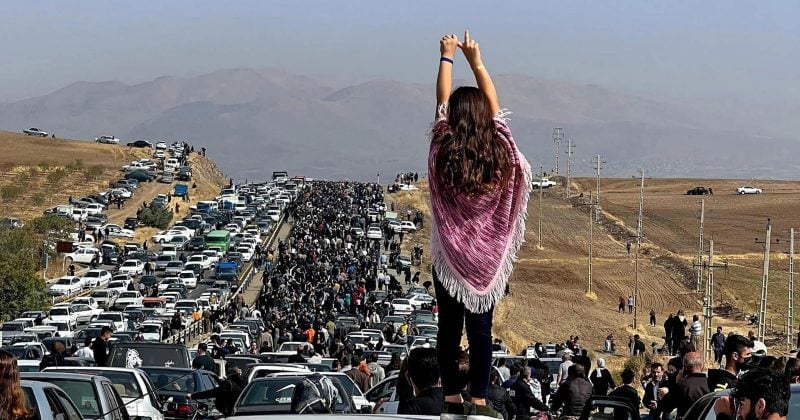
US-Iran MoU criticized for ignoring human rights, risking impunity

https://time.com/6234429/iran-protests-revolution-history/

US-Iran MoU criticized for ignoring human rights, risking impunity

US-Iran final nuclear deal

The recent US-Iran Memorandum of Understanding (MoU) has come under scrutiny following comments from a UN rapporteur, highlighting the lack of human rights considerations in the agreement. The MoU, signed on June 16, 2026, aimed to end a four-month conflict between the United States, Israel, and Iran. However, it has been criticized for failing to address accountability for human rights abuses within Iran, including numerous executions and detentions. The agreement includes significant economic incentives such as a $300 billion rehabilitation fund and sanctions relief, yet does not include provisions for justice for victims of alleged crimes. This omission has led to concerns that the deal may serve as a “shield for impunity,” allowing ongoing repression within Iran.

Advertisement

Key Takeaways

  • The UN rapporteur’s comments suggest skepticism towards the US-Iran MoU due to its lack of human rights focus.
  • Market pricing reflects uncertainties regarding the viability of the MoU leading to a final nuclear agreement.
  • The current odds for a US-Iran final nuclear deal by June 30, 2026, remain low at 0.1% YES, consistent with the concerns raised.

What to Watch

Observers should monitor any statements or actions from key actors like Supreme Leader Ayatollah Ali Khamenei and Iran’s Foreign Minister Abbas Araghchi, as these could influence market perceptions. Developments such as a public rejection of domestic enrichment by Iranian leaders or changes in U.S. sanctions policy could impact the likelihood of a final nuclear deal. The evolving geopolitical landscape, particularly any shifts in IAEA involvement or international diplomatic efforts, will be crucial in assessing the potential for a resolution.

Get prediction market intelligence as a structured API feed. Early access waitlist.

Disclosure: This article was edited by Estefano Gomez. For more information on how we create and review content, see our Editorial Policy.

US-Iran MoU criticized for ignoring human rights, risking impunity

US-Iran MoU criticized for ignoring human rights, risking impunity

US-Iran final nuclear deal

https://time.com/6234429/iran-protests-revolution-history/

The recent US-Iran Memorandum of Understanding (MoU) has come under scrutiny following comments from a UN rapporteur, highlighting the lack of human rights considerations in the agreement. The MoU, signed on June 16, 2026, aimed to end a four-month conflict between the United States, Israel, and Iran. However, it has been criticized for failing to address accountability for human rights abuses within Iran, including numerous executions and detentions. The agreement includes significant economic incentives such as a $300 billion rehabilitation fund and sanctions relief, yet does not include provisions for justice for victims of alleged crimes. This omission has led to concerns that the deal may serve as a “shield for impunity,” allowing ongoing repression within Iran.

Advertisement

Key Takeaways

  • The UN rapporteur’s comments suggest skepticism towards the US-Iran MoU due to its lack of human rights focus.
  • Market pricing reflects uncertainties regarding the viability of the MoU leading to a final nuclear agreement.
  • The current odds for a US-Iran final nuclear deal by June 30, 2026, remain low at 0.1% YES, consistent with the concerns raised.

What to Watch

Observers should monitor any statements or actions from key actors like Supreme Leader Ayatollah Ali Khamenei and Iran’s Foreign Minister Abbas Araghchi, as these could influence market perceptions. Developments such as a public rejection of domestic enrichment by Iranian leaders or changes in U.S. sanctions policy could impact the likelihood of a final nuclear deal. The evolving geopolitical landscape, particularly any shifts in IAEA involvement or international diplomatic efforts, will be crucial in assessing the potential for a resolution.

Get prediction market intelligence as a structured API feed. Early access waitlist.

Disclosure: This article was edited by Estefano Gomez. For more information on how we create and review content, see our Editorial Policy.