
US launches new strikes on Iran after it closes Strait of Hormuz

https://en.wikipedia.org/wiki/Strait_of_Hormuz

US launches new strikes on Iran after it closes Strait of Hormuz

US invasion of Iran

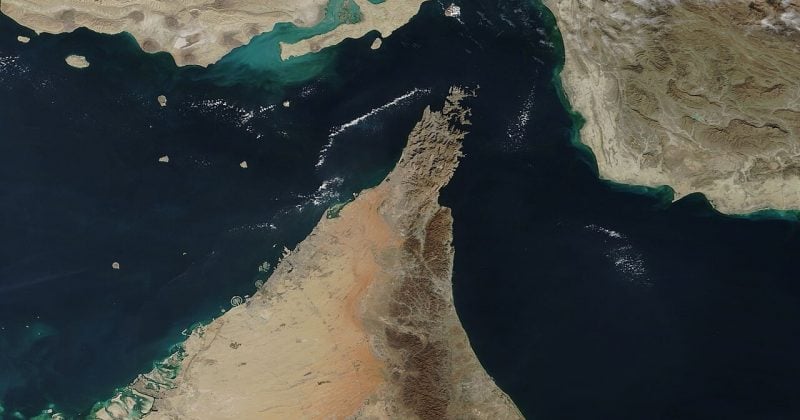
The United States has launched new military strikes on Iranian targets following Iran’s closure of the Strait of Hormuz, according to NBC News. This development marks a significant escalation in the ongoing conflict that began in February 2026, when U.S. and Israeli forces initiated hostilities against Iran. The closure of the Strait of Hormuz, a vital waterway for global oil transport, has prompted a strong response from the U.S., aiming to weaken Iran’s capacity to disrupt maritime navigation. The recent military actions may further heighten tensions in the region, impacting global oil markets and international diplomatic efforts.

Advertisement

Key Takeaways

  • Market activity suggests participants view the new U.S. strikes as consistent with increased likelihood of a U.S. invasion of Iran before 2027.
  • The closure of the Strait of Hormuz by Iran appears to have decreased the perceived likelihood of Iran committing to not attack ships in the region.
  • The escalation in military actions indicates a significant deterioration in U.S.-Iran relations, which could affect related geopolitical markets.

What to Watch

Observers will be closely monitoring any further military actions from both the U.S. and Iran, as well as potential diplomatic engagements or statements from key figures such as U.S. President Donald Trump and Iranian officials. Developments regarding Iran’s willingness to reopen the Strait of Hormuz could indicate shifts in market sentiment. Additionally, any announcements or reports from international bodies or governments involved in ceasefire negotiations may influence market pricing related to future military actions.

Get live prediction-market analysis, powered by Vera. Sign up for Vera.

Disclosure: This article was edited by Estefano Gomez. For more information on how we create and review content, see our Editorial Policy.

US launches new strikes on Iran after it closes Strait of Hormuz

US launches new strikes on Iran after it closes Strait of Hormuz

US invasion of Iran

https://en.wikipedia.org/wiki/Strait_of_Hormuz

The United States has launched new military strikes on Iranian targets following Iran’s closure of the Strait of Hormuz, according to NBC News. This development marks a significant escalation in the ongoing conflict that began in February 2026, when U.S. and Israeli forces initiated hostilities against Iran. The closure of the Strait of Hormuz, a vital waterway for global oil transport, has prompted a strong response from the U.S., aiming to weaken Iran’s capacity to disrupt maritime navigation. The recent military actions may further heighten tensions in the region, impacting global oil markets and international diplomatic efforts.

Advertisement

Key Takeaways

  • Market activity suggests participants view the new U.S. strikes as consistent with increased likelihood of a U.S. invasion of Iran before 2027.
  • The closure of the Strait of Hormuz by Iran appears to have decreased the perceived likelihood of Iran committing to not attack ships in the region.
  • The escalation in military actions indicates a significant deterioration in U.S.-Iran relations, which could affect related geopolitical markets.

What to Watch

Observers will be closely monitoring any further military actions from both the U.S. and Iran, as well as potential diplomatic engagements or statements from key figures such as U.S. President Donald Trump and Iranian officials. Developments regarding Iran’s willingness to reopen the Strait of Hormuz could indicate shifts in market sentiment. Additionally, any announcements or reports from international bodies or governments involved in ceasefire negotiations may influence market pricing related to future military actions.

Get live prediction-market analysis, powered by Vera. Sign up for Vera.

Disclosure: This article was edited by Estefano Gomez. For more information on how we create and review content, see our Editorial Policy.