Acting Navy Secretary Hung Cao confirmed the freeze during a Senate hearing, citing munitions needs for the 'Epic Fury' campaign, while Taiwan says it hasn't been officially notified.
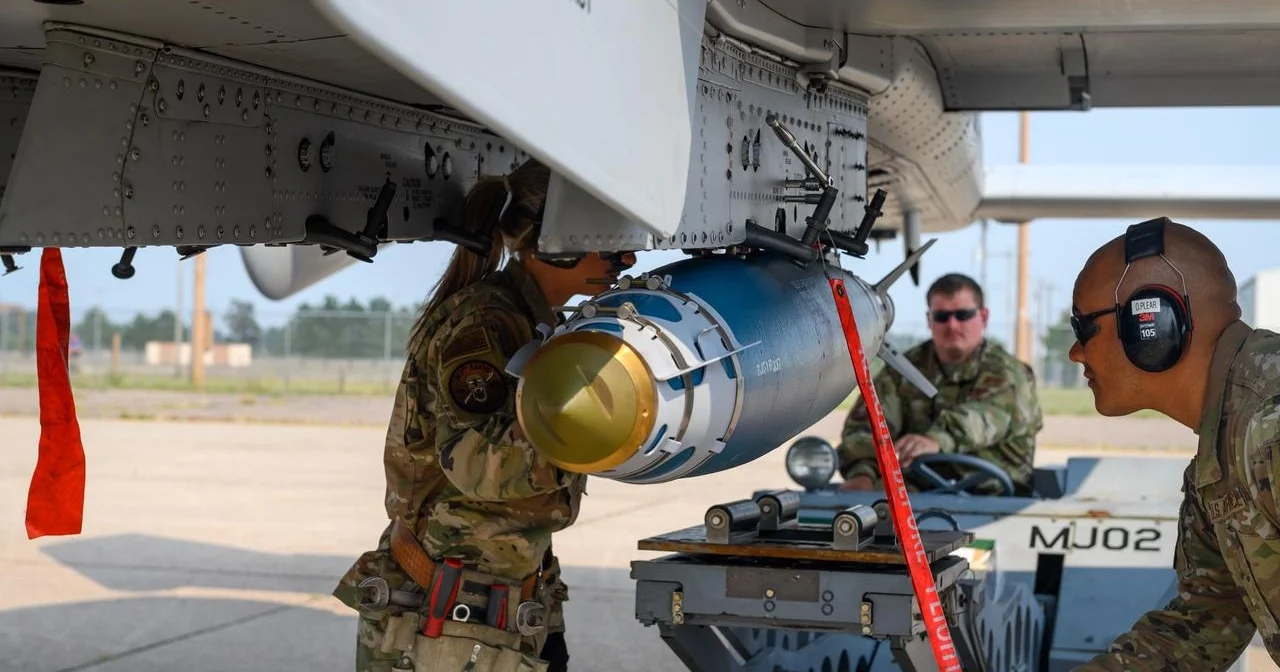
The US has hit pause on a $14 billion arms package to Taiwan, redirecting military resources toward its ongoing operations in Iran. Acting Navy Secretary Hung Cao dropped the news during a Senate Appropriations Defense Subcommittee hearing on May 21, confirming that foreign military sales, including the massive Taiwan deal, are being frozen to shore up munitions stockpiles for the Trump administration’s ‘Epic Fury’ operation.
Taiwan’s response was swift and notably measured. Presidential spokesperson Karen Kuo said on May 22 that Taipei had not received any official notification regarding changes to the arms sales. That diplomatic disconnect, a major ally learning about a policy shift from a Senate hearing rather than a phone call, tells you something about the current state of US-Taiwan communications.
What’s in the package and why it matters
The $14 billion arms deal centers on advanced missiles and air defense systems. It has been under consideration for months, representing one of the largest proposed military sales to the island.
For context, the Trump administration had already approved a record $11 billion arms package to Taiwan back in December. That deal went through. This one, considerably larger, is now stuck in geopolitical limbo.
The official rationale is straightforward: the US needs munitions for Iran, and the defense industrial base can only produce so much at once. President Trump has made a series of ambiguous statements linking Taiwan arms sales to broader negotiations with Beijing.
Geopolitical risk and what crypto investors should watch
Semiconductor supply chains are particularly exposed. Taiwan produces the vast majority of the world’s most advanced chips, and any shift in the security calculus around the island sends tremors through tech valuations. Those tremors reach crypto through multiple channels: mining hardware supply, AI-related token narratives, and the broader tech-sector sentiment that still heavily influences digital asset prices.
The bigger picture for markets
The December $11 billion arms deal was already a record for US-Taiwan military sales. The fact that an even larger $14 billion package was on the table signaled a dramatic escalation in Washington’s commitment to Taiwan’s defense. Pausing it, regardless of the stated reason, reverses that signal.
China has consistently framed US arms sales to Taiwan as a red line. Beijing’s response to this pause will be telling. If China reads it as a concession, it could embolden more aggressive posturing in the Taiwan Strait. If China reads it as a temporary logistical reallocation, the status quo holds.