
US reverses support for Saudi nuclear deal amid shifting Middle East policy

https://time.com/article/2026/07/23/us-saudi-arabia-nuclear-deal-explainer

US reverses support for Saudi nuclear deal amid shifting Middle East policy

US-Iran deal in 2026

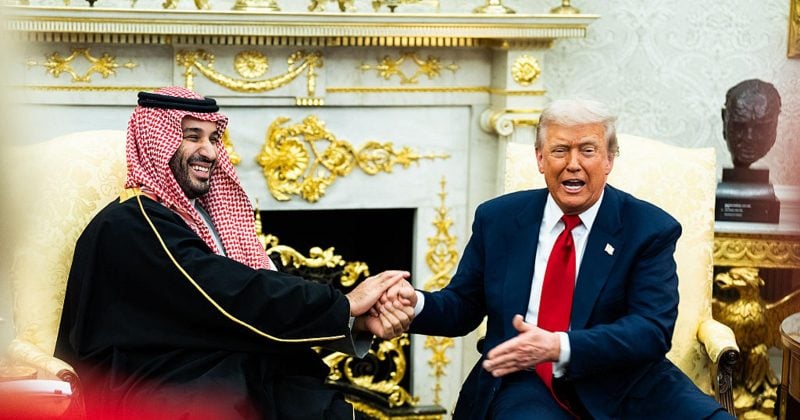
The U.S. President has reportedly reversed support for a nuclear deal with Saudi Arabia, according to Al Jazeera. This development highlights shifting U.S. foreign policy priorities in the Middle East, particularly regarding nuclear diplomacy. The Abraham Accords, signed in 2020, facilitated normalization between Israel and several Arab states, including the United Arab Emirates and Bahrain, and have been a focal point in regional diplomacy. Recent geopolitical tensions have brought Saudi Arabia into discussions related to the accords, potentially affecting broader diplomatic negotiations in the region.

Advertisement

Key Takeaways

  • The reported reversal of U.S. support for a Saudi nuclear deal appears to impact market perceptions negatively around Iranian reconstruction funding being part of a U.S.-Iran deal in 2026.
  • Market pricing suggests a moderate decrease in the likelihood of a U.S.-Iran deal including Iranian reconstruction funding, with current odds at approximately 29% YES.
  • The geopolitical context, including the Abraham Accords and U.S.-Saudi relations, appears to influence market sentiment regarding Middle East diplomacy and nuclear agreements.

What to Watch

Observers should monitor any official statements from the U.S. administration regarding its Middle East policy, as these could further clarify or shift market perceptions. Developments involving Israel or Saudi Arabia, particularly in relation to the Abraham Accords, may provide additional insights into the evolving diplomatic landscape. Any new negotiations or announcements involving Iran could also have significant implications for the current pricing of nuclear deal outcomes.

Get live prediction-market analysis, powered by Vera. Sign up for Vera.

Disclosure: This article was edited by Estefano Gomez. For more information on how we create and review content, see our Editorial Policy.

US reverses support for Saudi nuclear deal amid shifting Middle East policy

US reverses support for Saudi nuclear deal amid shifting Middle East policy

US-Iran deal in 2026

https://time.com/article/2026/07/23/us-saudi-arabia-nuclear-deal-explainer

The U.S. President has reportedly reversed support for a nuclear deal with Saudi Arabia, according to Al Jazeera. This development highlights shifting U.S. foreign policy priorities in the Middle East, particularly regarding nuclear diplomacy. The Abraham Accords, signed in 2020, facilitated normalization between Israel and several Arab states, including the United Arab Emirates and Bahrain, and have been a focal point in regional diplomacy. Recent geopolitical tensions have brought Saudi Arabia into discussions related to the accords, potentially affecting broader diplomatic negotiations in the region.

Advertisement

Key Takeaways

  • The reported reversal of U.S. support for a Saudi nuclear deal appears to impact market perceptions negatively around Iranian reconstruction funding being part of a U.S.-Iran deal in 2026.
  • Market pricing suggests a moderate decrease in the likelihood of a U.S.-Iran deal including Iranian reconstruction funding, with current odds at approximately 29% YES.
  • The geopolitical context, including the Abraham Accords and U.S.-Saudi relations, appears to influence market sentiment regarding Middle East diplomacy and nuclear agreements.

What to Watch

Observers should monitor any official statements from the U.S. administration regarding its Middle East policy, as these could further clarify or shift market perceptions. Developments involving Israel or Saudi Arabia, particularly in relation to the Abraham Accords, may provide additional insights into the evolving diplomatic landscape. Any new negotiations or announcements involving Iran could also have significant implications for the current pricing of nuclear deal outcomes.

Get live prediction-market analysis, powered by Vera. Sign up for Vera.

Disclosure: This article was edited by Estefano Gomez. For more information on how we create and review content, see our Editorial Policy.