
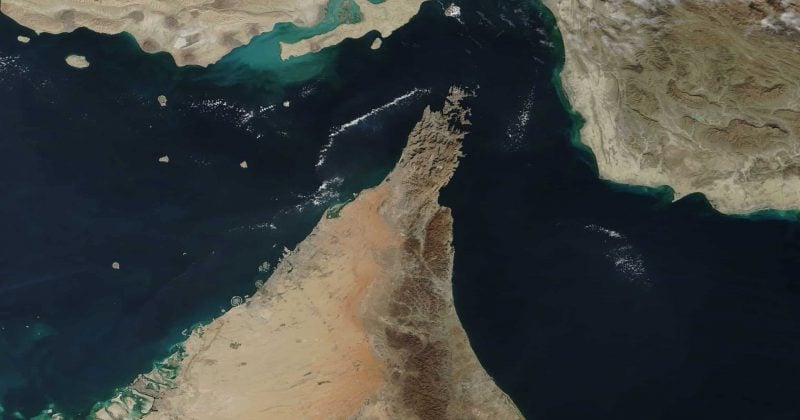
US strikes Iranian targets near Strait of Hormuz, escalating tensions

https://en.wikipedia.org/wiki/Strait_of_Hormuz

US strikes Iranian targets near Strait of Hormuz, escalating tensions

Iran successfully targets shipping

The United States has conducted military strikes on Iranian targets near the Strait of Hormuz, aiming to diminish Iran’s capacity to target commercial ships. This development follows recent Iranian attacks on vessels in the region, which plays a critical role in global oil and gas shipments. The U.S. strikes reportedly targeted over 80 Iranian sites, including small boats operated by the Islamic Revolutionary Guard Corps (IRGC), air defenses, and anti-ship missile installations. This action marks a significant escalation in tensions, as both nations had previously agreed to a fragile ceasefire. The Iranian response, which included strikes on U.S. military sites in Bahrain and Kuwait, further complicates the ceasefire situation.

Advertisement

Key Takeaways

  • The U.S. strikes on Iranian targets suggest an escalation in the ongoing conflict, impacting Iran’s ability to target shipping.
  • Market pricing suggests a decreased likelihood of Iran successfully targeting shipping, with the probability for July 7 dropping from 99% to 96%.
  • The broader geopolitical situation reflects heightened tensions, with increased military actions threatening the stability of the ceasefire.

What to Watch

Observers should monitor any further military responses from Iran, particularly targeting shipping lanes in the Strait of Hormuz. The potential for further U.S. military actions or diplomatic engagements could influence market perceptions of the conflict’s trajectory. Additionally, any statements from key actors such as the U.S. Department of Defense or Iranian officials may provide indications of future developments. Market participants appear attentive to these indicators as they assess the situation.

Get prediction market intelligence as a structured API feed. Early access waitlist.

Disclosure: This article was edited by Estefano Gomez. For more information on how we create and review content, see our Editorial Policy.

US strikes Iranian targets near Strait of Hormuz, escalating tensions

US strikes Iranian targets near Strait of Hormuz, escalating tensions

Iran successfully targets shipping

https://en.wikipedia.org/wiki/Strait_of_Hormuz

The United States has conducted military strikes on Iranian targets near the Strait of Hormuz, aiming to diminish Iran’s capacity to target commercial ships. This development follows recent Iranian attacks on vessels in the region, which plays a critical role in global oil and gas shipments. The U.S. strikes reportedly targeted over 80 Iranian sites, including small boats operated by the Islamic Revolutionary Guard Corps (IRGC), air defenses, and anti-ship missile installations. This action marks a significant escalation in tensions, as both nations had previously agreed to a fragile ceasefire. The Iranian response, which included strikes on U.S. military sites in Bahrain and Kuwait, further complicates the ceasefire situation.

Advertisement

Key Takeaways

  • The U.S. strikes on Iranian targets suggest an escalation in the ongoing conflict, impacting Iran’s ability to target shipping.
  • Market pricing suggests a decreased likelihood of Iran successfully targeting shipping, with the probability for July 7 dropping from 99% to 96%.
  • The broader geopolitical situation reflects heightened tensions, with increased military actions threatening the stability of the ceasefire.

What to Watch

Observers should monitor any further military responses from Iran, particularly targeting shipping lanes in the Strait of Hormuz. The potential for further U.S. military actions or diplomatic engagements could influence market perceptions of the conflict’s trajectory. Additionally, any statements from key actors such as the U.S. Department of Defense or Iranian officials may provide indications of future developments. Market participants appear attentive to these indicators as they assess the situation.

Get prediction market intelligence as a structured API feed. Early access waitlist.

Disclosure: This article was edited by Estefano Gomez. For more information on how we create and review content, see our Editorial Policy.