
Nexo Earn with Nexo
Kevin Warsh chairs first Federal Reserve meeting as inflation hits 4%

Kevin Warsh chairs first Federal Reserve meeting as inflation hits 4%

The new Fed chair faces a collision between surging consumer prices and political pressure for rate cuts, with crypto markets watching closely

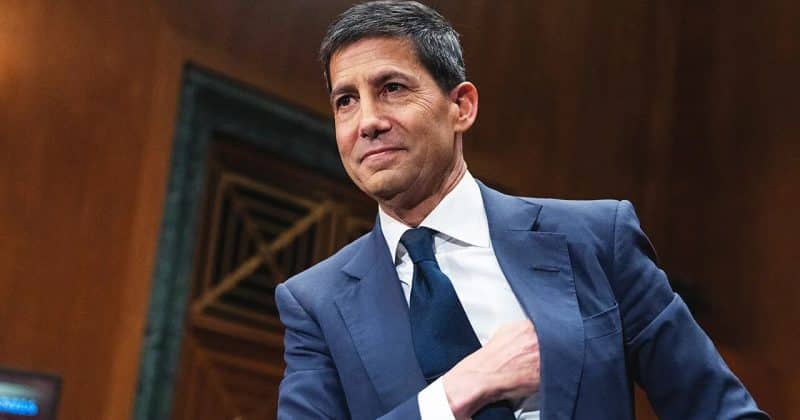
Kevin Warsh steps up to the podium for his first FOMC meeting this week with a 4.2% inflation rate staring him down and a former president publicly demanding he do the opposite of what the data suggests. Welcome to the job.

The 17th Federal Reserve chair, sworn in on May 22, 2026, will lead the June 16-17 meeting of the Federal Open Market Committee at a moment when consumer prices are running at their hottest since April 2023. The May 2026 Consumer Price Index came in at 4.2% year-over-year, up from 3.8% in April. Core CPI, which strips out food and energy, sits at 2.9%. Neither number is anywhere close to the Fed’s 2% target.

The inflation picture is getting worse, not better

The main culprit behind the acceleration is energy. Gasoline prices have surged 40.5%, driven by geopolitical tensions related to the Iran conflict.

Core inflation at 2.9% suggests the price pressures aren’t just about oil. They’re broadening across the economy. A tight labor market continues to push wages higher, which feeds into service-sector prices.

Advertisement

Market expectations currently point toward rates staying on hold at this week’s meeting. But pricing in the futures market suggests hikes are possible by year-end. Two-year Treasury yields have been climbing, a signal that bond traders are bracing for tighter policy ahead.

A hawk walks into the Eccles Building

Warsh served on the Fed board during the 2008 financial crisis and has been a vocal critic of the aggressive stimulus measures that followed. He’s advocated for a smaller Fed balance sheet and has proposed alternative inflation measures that could change how the central bank evaluates price stability.

Trump has openly opposed rate hikes and pushed for lower borrowing costs. Warsh has consistently emphasized Fed independence.

Warsh was widely seen as Trump’s preferred candidate for the chair position.

What this means for crypto and risk assets

Warsh is broadly considered pro-crypto, a stance endorsed by figures including Michael Saylor.

Warsh’s hawkish instincts and the current inflation environment both point toward tighter monetary policy. Tighter policy means less liquidity sloshing around the financial system, which means less speculative capital flowing into risk assets.

For investors recalibrating their portfolios, the key variable isn’t what Warsh says about crypto. It’s what the dot plot looks like after this meeting, what the updated economic projections show, and whether the statement language shifts toward acknowledging that the next move could be a hike rather than a cut.

Disclosure: This article was edited by Editorial Team. For more information on how we create and review content, see our Editorial Policy.

Kevin Warsh chairs first Federal Reserve meeting as inflation hits 4%

Kevin Warsh chairs first Federal Reserve meeting as inflation hits 4%

The new Fed chair faces a collision between surging consumer prices and political pressure for rate cuts, with crypto markets watching closely

Kevin Warsh steps up to the podium for his first FOMC meeting this week with a 4.2% inflation rate staring him down and a former president publicly demanding he do the opposite of what the data suggests. Welcome to the job.

The 17th Federal Reserve chair, sworn in on May 22, 2026, will lead the June 16-17 meeting of the Federal Open Market Committee at a moment when consumer prices are running at their hottest since April 2023. The May 2026 Consumer Price Index came in at 4.2% year-over-year, up from 3.8% in April. Core CPI, which strips out food and energy, sits at 2.9%. Neither number is anywhere close to the Fed’s 2% target.

The inflation picture is getting worse, not better

The main culprit behind the acceleration is energy. Gasoline prices have surged 40.5%, driven by geopolitical tensions related to the Iran conflict.

Core inflation at 2.9% suggests the price pressures aren’t just about oil. They’re broadening across the economy. A tight labor market continues to push wages higher, which feeds into service-sector prices.

Advertisement

Market expectations currently point toward rates staying on hold at this week’s meeting. But pricing in the futures market suggests hikes are possible by year-end. Two-year Treasury yields have been climbing, a signal that bond traders are bracing for tighter policy ahead.

A hawk walks into the Eccles Building

Warsh served on the Fed board during the 2008 financial crisis and has been a vocal critic of the aggressive stimulus measures that followed. He’s advocated for a smaller Fed balance sheet and has proposed alternative inflation measures that could change how the central bank evaluates price stability.

Trump has openly opposed rate hikes and pushed for lower borrowing costs. Warsh has consistently emphasized Fed independence.

Warsh was widely seen as Trump’s preferred candidate for the chair position.

What this means for crypto and risk assets

Warsh is broadly considered pro-crypto, a stance endorsed by figures including Michael Saylor.

Warsh’s hawkish instincts and the current inflation environment both point toward tighter monetary policy. Tighter policy means less liquidity sloshing around the financial system, which means less speculative capital flowing into risk assets.

For investors recalibrating their portfolios, the key variable isn’t what Warsh says about crypto. It’s what the dot plot looks like after this meeting, what the updated economic projections show, and whether the statement language shifts toward acknowledging that the next move could be a hike rather than a cut.

Disclosure: This article was edited by Editorial Team. For more information on how we create and review content, see our Editorial Policy.