
Kevin Warsh heads to Jackson Hole with the Fed split on inflation

Kevin Warsh heads to Jackson Hole with the Fed split on inflation

Softer inflation readings over the past two months have reduced the immediate pressure for a September hike, but they have not settled the question of whether monetary policy is restrictive enough.


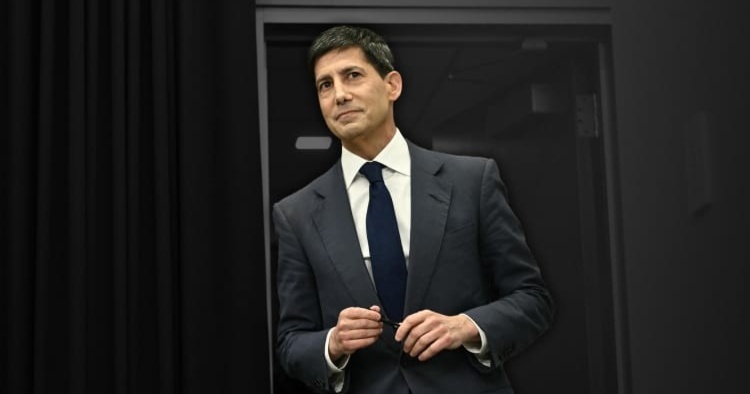
Kevin Warsh is set to deliver his first major address at Jackson Hole as Federal Reserve chairman while keeping investors guessing about how he views inflation and interest rates.

The central question facing Warsh is whether inflation remains elevated because of temporary shocks, including tariffs and higher energy prices linked to the Iran war, or because demand is running ahead of supply and businesses are able to sustain higher prices.

Advertisement

The answer could determine whether the Fed needs to raise rates. Three officials voted for a rate increase at the Fed’s July meeting, and others have indicated they are open to tighter policy.

Inflation has stalled above the Fed’s 2% target after falling from roughly 7% to below 3%, remaining above target for more than five years. Recent softer inflation data have eased expectations for a September hike, but officials remain split over whether the current policy rate of about 3.6% is restrictive enough.

The uncertainty has been amplified by Warsh’s decision to disclose less about his economic and policy views. He has spent years arguing that central bankers communicate too much and that detailed forecasts can become commitments that unnecessarily constrain policymakers.

That strategy has come under pressure since he took office. At the July meeting, Warsh avoided directly explaining how the Fed’s current policy stance would bring inflation lower.

His Jackson Hole speech could therefore offer a clearer diagnosis of the inflation problem and indicate whether he believes rates need to remain high, rise further or eventually fall as temporary pressures fade.

Disclosure: This article was edited by Editorial Team. For more information on how we create and review content, see our Editorial Policy.
Kevin Warsh heads to Jackson Hole with the Fed split on inflation

Softer inflation readings over the past two months have reduced the immediate pressure for a September hike, but they have not settled the question of whether monetary policy is restrictive enough.

Share

Add us on Google

Kevin Warsh is set to deliver his first major address at Jackson Hole as Federal Reserve chairman while keeping investors guessing about how he views inflation and interest rates.

The central question facing Warsh is whether inflation remains elevated because of temporary shocks, including tariffs and higher energy prices linked to the Iran war, or because demand is running ahead of supply and businesses are able to sustain higher prices.

Advertisement

The answer could determine whether the Fed needs to raise rates. Three officials voted for a rate increase at the Fed’s July meeting, and others have indicated they are open to tighter policy.

Inflation has stalled above the Fed’s 2% target after falling from roughly 7% to below 3%, remaining above target for more than five years. Recent softer inflation data have eased expectations for a September hike, but officials remain split over whether the current policy rate of about 3.6% is restrictive enough.

The uncertainty has been amplified by Warsh’s decision to disclose less about his economic and policy views. He has spent years arguing that central bankers communicate too much and that detailed forecasts can become commitments that unnecessarily constrain policymakers.

That strategy has come under pressure since he took office. At the July meeting, Warsh avoided directly explaining how the Fed’s current policy stance would bring inflation lower.

His Jackson Hole speech could therefore offer a clearer diagnosis of the inflation problem and indicate whether he believes rates need to remain high, rise further or eventually fall as temporary pressures fade.

Disclosure: This article was edited by Editorial Team. For more information on how we create and review content, see our Editorial Policy.