
FIFA 2026 World Cup prize money hits $51M for winners as prediction markets explode past $4B

FIFA 2026 World Cup prize money hits $51M for winners as prediction markets explode past $4B

The biggest World Cup ever is also the richest, and crypto prediction markets are cashing in on the action more than traditional sportsbooks ever could.

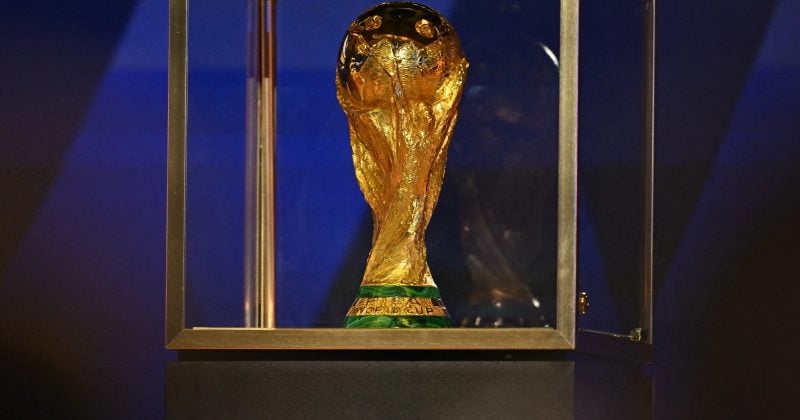
The FIFA 2026 World Cup champion will pocket $51 million. The runner-up walks away with $34 million. Those numbers are part of an $871 million total prize pool, a figure that makes every previous World Cup look like a neighborhood kickball tournament by comparison.

That total represents a 65% increase over the 2022 edition held in Qatar. FIFA expanded the tournament to 48 teams this cycle, which means more matches, more broadcast revenue, and more zeros on the checks.

Prediction markets are the real story

Polymarket, the blockchain-based prediction platform, has seen its World Cup winner market alone surpass $4 billion in trading volume. A single prediction market on a single platform generated more trading activity than the entire prize pool FIFA is distributing to 48 national teams.

Advertisement

Overall prediction market volume tied to the tournament has exceeded $50 billion in monthly activity. That’s not a typo. Fifty billion dollars worth of positions being opened, closed, and traded by people betting on everything from match outcomes to group stage permutations.

Prediction markets are eating traditional sportsbooks alive during this World Cup cycle. The ability to trade positions in real time, rather than placing a static bet and waiting, has turned the World Cup into something closer to a financial market than a sporting event.

FIFA’s quiet blockchain history

This isn’t FIFA’s first dance with crypto infrastructure, either. The governing body previously used Polygon to mint World Cup-related NFTs, giving fans digital collectibles tied to the tournament. FIFA also explored Avalanche-based solutions aimed at combating ticket scalping.

What this means for investors

The $50 billion-plus in prediction market volume is a signal that’s hard to ignore. Traditional sportsbooks like DraftKings, FanDuel, and Bet365 have spent years building regulatory moats and brand recognition. Prediction markets are now generating comparable, and in some cases superior, engagement numbers without the same regulatory overhead in many jurisdictions.

The CFTC has gone back and forth on Polymarket’s status. If these platforms continue to post multi-billion dollar volume numbers tied to mainstream events like the World Cup, regulatory clarity will become unavoidable.

FIFA is handing out $51 million to the winning team. The crypto ecosystem built around that game is moving multiples of that every single day.

Disclosure: This article was edited by Editorial Team. For more information on how we create and review content, see our Editorial Policy.

FIFA 2026 World Cup prize money hits $51M for winners as prediction markets explode past $4B

FIFA 2026 World Cup prize money hits $51M for winners as prediction markets explode past $4B

The biggest World Cup ever is also the richest, and crypto prediction markets are cashing in on the action more than traditional sportsbooks ever could.

The FIFA 2026 World Cup champion will pocket $51 million. The runner-up walks away with $34 million. Those numbers are part of an $871 million total prize pool, a figure that makes every previous World Cup look like a neighborhood kickball tournament by comparison.

That total represents a 65% increase over the 2022 edition held in Qatar. FIFA expanded the tournament to 48 teams this cycle, which means more matches, more broadcast revenue, and more zeros on the checks.

Prediction markets are the real story

Polymarket, the blockchain-based prediction platform, has seen its World Cup winner market alone surpass $4 billion in trading volume. A single prediction market on a single platform generated more trading activity than the entire prize pool FIFA is distributing to 48 national teams.

Advertisement

Overall prediction market volume tied to the tournament has exceeded $50 billion in monthly activity. That’s not a typo. Fifty billion dollars worth of positions being opened, closed, and traded by people betting on everything from match outcomes to group stage permutations.

Prediction markets are eating traditional sportsbooks alive during this World Cup cycle. The ability to trade positions in real time, rather than placing a static bet and waiting, has turned the World Cup into something closer to a financial market than a sporting event.

FIFA’s quiet blockchain history

This isn’t FIFA’s first dance with crypto infrastructure, either. The governing body previously used Polygon to mint World Cup-related NFTs, giving fans digital collectibles tied to the tournament. FIFA also explored Avalanche-based solutions aimed at combating ticket scalping.

What this means for investors

The $50 billion-plus in prediction market volume is a signal that’s hard to ignore. Traditional sportsbooks like DraftKings, FanDuel, and Bet365 have spent years building regulatory moats and brand recognition. Prediction markets are now generating comparable, and in some cases superior, engagement numbers without the same regulatory overhead in many jurisdictions.

The CFTC has gone back and forth on Polymarket’s status. If these platforms continue to post multi-billion dollar volume numbers tied to mainstream events like the World Cup, regulatory clarity will become unavoidable.

FIFA is handing out $51 million to the winning team. The crypto ecosystem built around that game is moving multiples of that every single day.

Disclosure: This article was edited by Editorial Team. For more information on how we create and review content, see our Editorial Policy.