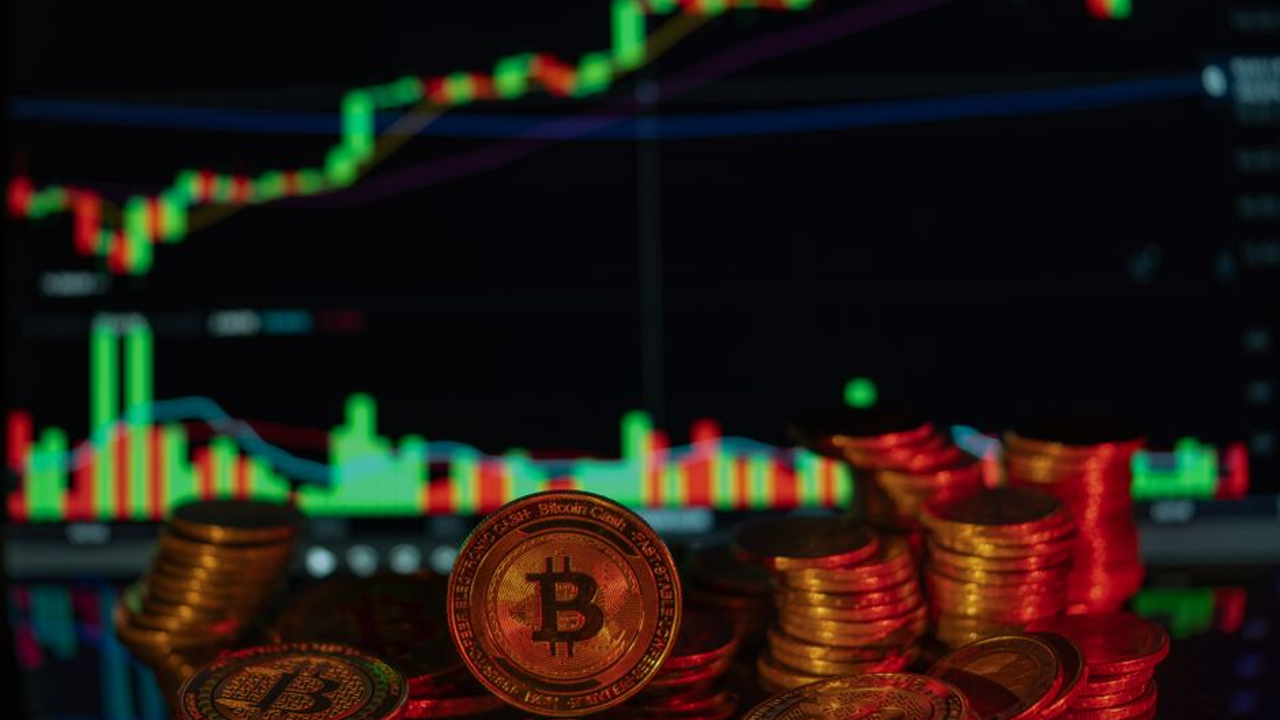
Bitcoin rallies as US PCE inflation cools to 3.4%
Photo: Rafael Minguet Delgado / Pexels
US GDP growth was revised up to 2.2% in Q2 as the BEA reported 5% PCE inflation and 3.3% core PCE for the quarter.
Bitcoin climbed above $85,500 on Wednesday after US August PCE inflation came in at 3.4%, below expectations of 3.7%, according to the Bureau of Economic Analysis. Core PCE fell to 3%, also below the 3.3% forecast.
US personal income increased 0.2% in August, with disposable income up 0.3% and personal consumption expenditures rising 0.9%. The increase in spending reflected stronger outlays on both goods and services.
As for GDP, US GDP expanded at a 2.2% annualized rate in the second quarter, according to the BEA, revised up from 1.5%. Consumer spending, investment and exports contributed to the increase, while imports rose.
The latest GDP data also included updated PCE figures, offering additional context after August inflation slowed to 3.4% year-over-year. The PCE price index rose 5% in the second quarter, while core PCE increased 3.3%, both revised lower from the previous estimate. Real GDI grew 2.6%.
The crypto and markets news you actually need—every morning.
Daily. Free. Join 34,000+ readers across crypto, finance, and policy.
Brendan Ma, head of investment strategy at the Arbitrum Foundation, said the revisions reinforce his view that the Fed is tightening into economic strength. He noted that if the September CPI also shows softer inflation, pressure for an October hike could ease.
“July’s annual core PCE inflation rate has been revised lower, so today’s reading is best compared with the updated history,” Ma commented. “A gentler rate path tends to favor digital assets and equities over cash. Also, most of the tokenised Treasury market is in short-dated products, so the change would reach holders of these onchain assets gradually as bills mature, which leaves allocators time to decide where that cash should sit.”
Bitcoin climbed past $87,000 earlier this month as strong US spot Bitcoin ETF inflows and a wave of short liquidations fueled the rally, supported by improving risk sentiment and a technical breakout.
This article has been updated to include a comment from Arbitrum Foundation’s Brendan Ma.
Disclosure: This article was edited by Vivian Nguyen. For more information on how we create and review content, see our Editorial Policy.

