Former OpenAI researcher says six Chinese AI models were built on banned Nvidia chips
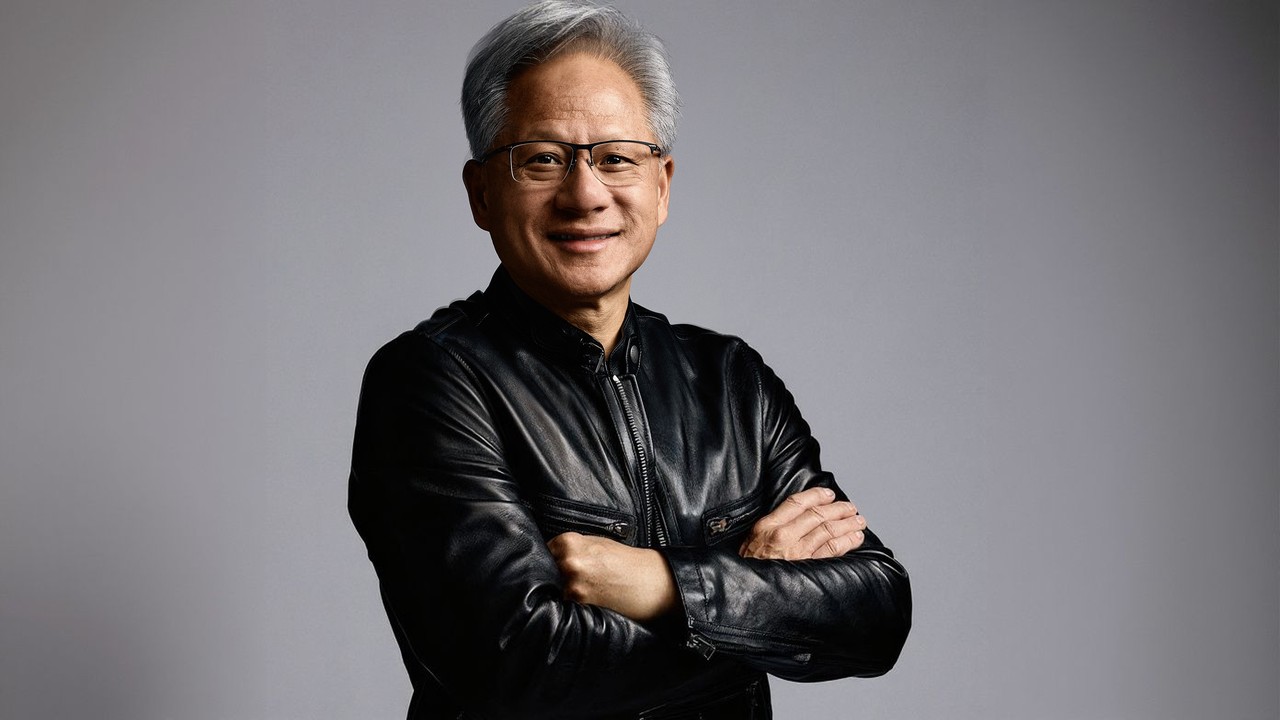
NVIDIA official newsroom (nvidianews.nvidia.com/bios/jensen-huang)
A forensic analysis of public model weights traces DeepSeek, Kimi and MiniMax models to export-controlled Blackwell GPUs.
Six AI models from four of China’s leading labs were initialized on Nvidia Blackwell chips, which are barred from export to China, according to a forensic analysis published on November 12.
The models come from DeepSeek, Moonshot AI, MiniMax and Ant Group.
The findings come from Will DePue, a former OpenAI researcher who joined the company in 2023. He worked on its Sora video models and on post-training for o3 and GPT-4o. DePue published the analysis through Unemployment Labs. He says it relies entirely on the weights the companies released publicly, not on leaks or insider accounts. On X, he said senior researchers at OpenAI and Anthropic had independently verified the result. The report names no outside reviewers.
The six models are DeepSeek-V4-Flash, DeepSeek-V4-Pro, Kimi K3, Kimi K3.1-Pro, MiniMax-M3 and Ant Group’s Ling-3.1-flash. According to the report, four of them match Nvidia’s GB200 or GB300 Grace Blackwell systems, and two match B200 or B300 chips.
The method rests on the starting values a model’s weights get before training begins. DePue says the layout of those values depends on the exact GPU and the random seed used, and that traces of the pattern survive into the published model. He says he searched more than six trillion combinations of chip layout and seed to find matches.
He then tested the matches on real hardware. With the recovered seed, a Blackwell B300 reproduced DeepSeek-V4-Flash’s untouched starting weights bit for bit, and a rented GB200 reproduced all 13 preserved rows of Kimi K3. Nvidia’s older H100 reproduced none of V4-Flash’s rows, and neither did AMD’s MI300X. Changing the seed by one broke every match. The report puts the strongest match that chance could produce at about 8 standard deviations. The real matches range from 49 to 1,385.
AI, tech, and the markets they move—in one daily briefing.
Daily. Free. Join 34,000+ readers across crypto, finance, and policy.
DePue estimates that the largest runs, Kimi K3 and DeepSeek-V4-Pro, each used about 2,000 to 3,000 Blackwell GPUs. He puts each cluster at $150 million to $200 million, and all five final training runs combined at more than $500 million.
The report is explicit about its limits. It says the method “identifies the hardware that generated the starting weights, not every chip that later helped train the model.” It also says the evidence does not show where the chips were, who owned them, or how they were obtained, and notes that Blackwell systems can be rented in data centers outside China. In the report’s words, the results “are not a finding that any law was broken.”
The analysis adds to existing scrutiny of how Chinese labs reach Nvidia’s top chips. In July, White House science adviser Michael Kratsios said Moonshot had “accessed GB300s in Thailand, likely to train its AI models,” referring to Kimi K3. On November 12, The Information reported that companies tied to Alice Huang invested in DeepSeek and promised it Nvidia chips. A day earlier, Senators Elizabeth Warren and Chris Coons urged the Trump administration to preserve Nvidia’s export records.
Nvidia, DeepSeek, Moonshot, MiniMax and Ant Group had not commented on the report at the time of publication. DePue says more results from the same method are coming.
Disclosure: This article was edited by Diego Almada Lopez. For more information on how we create and review content, see our Editorial Policy.

