
Brazil suffers worst selloff in decades on Lula win as Hyperliquid tokenized perp led price discovery
A Hyperliquid perpetual tied to Brazil's largest US listed equity ETF plunged as much as 27% before traditional markets reopened, anticipating a historic selloff in Brazilian stocks.
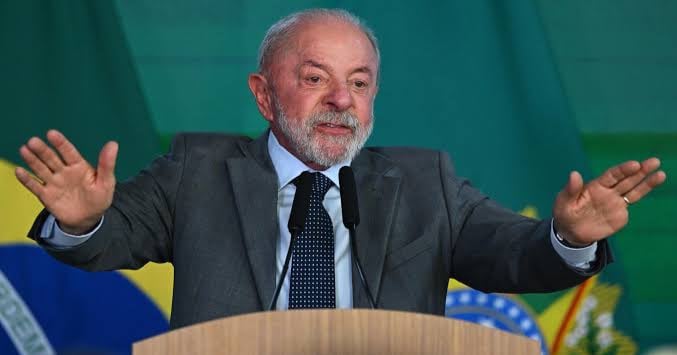
Brazilian stocks suffered their steepest selloff in decades on Monday following President Luiz Inácio Lula da Silva’s surprise reelection. A Hyperliquid perpetual contract linked to the country’s largest US listed equity fund had already signaled the decline before traditional markets opened.
Brazil’s benchmark Ibovespa index fell as much as 17.34%, marking its sharpest daily percentage decline since 1998, as the B3 exchange triggered a circuit breaker that temporarily halted trading.
The selloff followed Lula’s victory over Senator Flávio Bolsonaro in Sunday’s presidential runoff, reversing market expectations of a Bolsonaro win.
According to Brazil’s Superior Electoral Court, Lula secured 51.79% of valid votes against Bolsonaro’s 48.21%, winning a fourth presidential term.
Before Brazilian and US stock markets reopened, a perpetual futures contract tracking the iShares MSCI Brazil ETF (EWZ) on Hyperliquid had already fallen as much as 27%, providing an early indication of how investors were pricing the election outcome.
Hyperliquid perpetual anticipates Brazilian stock market crash
The contract operates through Hyperliquid’s HIP-3 framework and is deployed by trading platform trade.xyz, which offers several perpetual futures markets tied to traditional financial assets, including stocks and exchange traded funds.
Unlike the underlying ETF, which trades during US market hours, the contract operates around the clock, allowing traders to react to economic and political developments over weekends.
Ahead of Sunday’s election, the perpetual rose to approximately $45.16, around 6% above EWZ’s Friday closing price of $42.59, as investors positioned for a Bolsonaro victory.
The premium began disappearing as election results shifted in Lula’s favor.
According to market commentary shared on X, the contract declined from approximately $46 to $42.58 as Bolsonaro’s implied victory probability on Kalshi dropped from around 80% to 30%.
The news moving money, markets, and the world—before your day starts.
Daily. Free. Join 34,000+ readers across crypto, finance, and policy.
Selling accelerated as Lula’s victory became clear, with the perpetual falling as much as 27%.
Brazil stocks suffer worst selloff since 1998
The losses anticipated by the Hyperliquid contract were followed by a sharp decline in Brazilian equities when traditional markets reopened Monday.
The iShares MSCI Brazil ETF fell to approximately $31.83 in US premarket trading, representing a 25.3% decline from Friday’s close. After markets opened, the fund dropped below $30 before recovering to around $33.60, still down approximately 21% on the day.
Brazilian financial stocks experienced particularly steep losses during Monday’s regular trading session, with Bradesco falling nearly 28%, Itaú Unibanco declining 20% and Nu Holdings dropping 21%.
XP shares plunged more than 52%, while Petrobras declined approximately 16%, recovering from a premarket drop of more than 20%.
In São Paulo, the B3 exchange suspended trading for 30 minutes after the Ibovespa initially fell 10%, triggering its circuit breaker mechanism for the first time since March 2020.
The benchmark subsequently extended its losses to 17.34%, reaching 169,516 points before recovering slightly. The index was down approximately 15.61% around midday Brasília time.
Brazil’s currency also came under pressure, with the real declining more than 11% against the US dollar in early trading before recovering part of its losses.
The selloff reversed gains recorded earlier in October, when Bolsonaro’s stronger performance in the first round had fueled expectations of tighter fiscal policies and a more favorable environment for investors.
Fiscal concerns drive selloff as Lula secures fourth term
The market reaction reflected growing investor concerns about Brazil’s fiscal outlook, government spending and the direction of economic policy under Lula’s next administration.
According to Reuters, investors are closely watching Lula’s plans for public debt, government spending and his choice of finance minister.
The election result also weighed on Brazilian government bonds, while expectations of prolonged elevated interest rates raised concerns about borrowing costs and economic growth.
The losses came after investors had positioned for a Bolsonaro victory, anticipating a potentially more restrictive approach to public spending.
Lula’s victory forced a rapid reversal of those positions across equities, currencies and sovereign debt markets.
The magnitude of the reaction recalled previous episodes of volatility surrounding Brazilian elections, including the selloff ahead of Lula’s first presidential victory in 2002.