
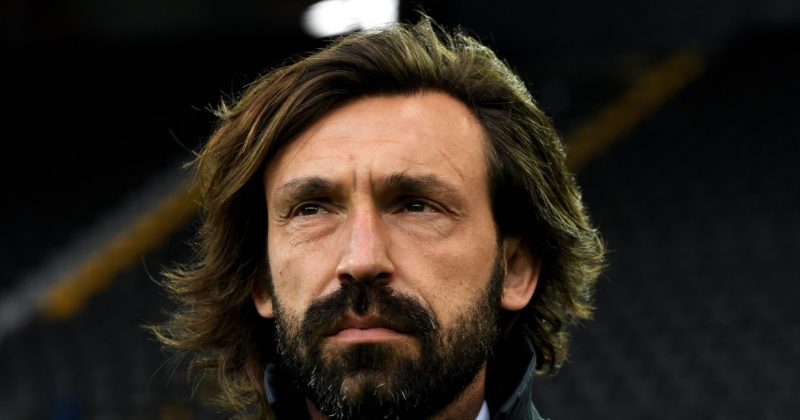
Italy taps Andrea Pirlo as next head coach, and crypto-powered fan tokens are watching closely

Italy taps Andrea Pirlo as next head coach, and crypto-powered fan tokens are watching closely

The Italian Football Federation's coaching search has implications for the growing intersection of football governance and blockchain-based fan engagement tokens.

The Italian Football Federation, known as FIGC, has zeroed in on Andrea Pirlo as its next head coach, with a potential four-year contract that would carry the Azzurri through the 2030 World Cup cycle.

Pirlo, the 2006 World Cup champion who redefined the deep-lying playmaker role, is currently managing Dubai United, a post he’s held since July 2025. His candidacy emerged after the federation explored bigger names like Pep Guardiola and Carlo Ancelotti, both of whom apparently proved too expensive or unavailable.

Why a coaching hire matters for fan token markets

Football fan tokens, issued on platforms like Chiliz and Socios, have become a multi-billion dollar corner of the crypto ecosystem. Italy doesn’t currently have its own national team fan token, but several Serie A clubs do, and the ripple effects of national team performance on domestic league valuations are well documented.

Advertisement

Pirlo’s coaching philosophy centers on possession-based tactics and nurturing young talent, which aligns with the FIGC’s stated strategic vision. Technical director Paolo Maldini, himself a legendary defender, has reportedly been the driving force behind the Pirlo candidacy and has endorsed him as the ideal choice.

A meeting between Pirlo and FIGC president Giovanni Malagò was scheduled for mid-July 2026 to hash out contract terms. While no official confirmation has been made public, Italian media outlets have positioned Pirlo as the clear frontrunner.

Pirlo’s coaching track record: thin but intriguing

He managed Juventus during the 2020-2021 season, where results were mixed enough that the club moved on. He then coached Karagümrük in Turkey from 2022 to 2023, followed by a stint at Sampdoria from 2023 to 2024. His current role at Dubai United sits well outside Europe’s top leagues.

Pirlo’s wage expectations are reportedly far more manageable than what Guardiola or Ancelotti would command.

The 2030 World Cup timeline and what investors should watch

The four-year contract framework is designed to give Pirlo runway through the 2030 World Cup, which will be co-hosted by Spain, Portugal, and Morocco. Italy’s recent World Cup history has been painful. The team failed to qualify for both the 2018 and 2022 tournaments, a humiliation for a four-time champion.

For investors in the broader sports tokenization space, fan token prices historically spike around major personnel and tournament news. If Pirlo’s tenure leads to improved Italian national team performance, the downstream effects on Serie A’s global media rights and commercial value could strengthen the fundamental case for club-level fan tokens.

Disclosure: This article was edited by Editorial Team. For more information on how we create and review content, see our Editorial Policy.
Italy taps Andrea Pirlo as next head coach, and crypto-powered fan tokens are watching closely

The Italian Football Federation's coaching search has implications for the growing intersection of football governance and blockchain-based fan engagement tokens.

The Italian Football Federation, known as FIGC, has zeroed in on Andrea Pirlo as its next head coach, with a potential four-year contract that would carry the Azzurri through the 2030 World Cup cycle.

Pirlo, the 2006 World Cup champion who redefined the deep-lying playmaker role, is currently managing Dubai United, a post he’s held since July 2025. His candidacy emerged after the federation explored bigger names like Pep Guardiola and Carlo Ancelotti, both of whom apparently proved too expensive or unavailable.

Why a coaching hire matters for fan token markets

Football fan tokens, issued on platforms like Chiliz and Socios, have become a multi-billion dollar corner of the crypto ecosystem. Italy doesn’t currently have its own national team fan token, but several Serie A clubs do, and the ripple effects of national team performance on domestic league valuations are well documented.

Advertisement

Pirlo’s coaching philosophy centers on possession-based tactics and nurturing young talent, which aligns with the FIGC’s stated strategic vision. Technical director Paolo Maldini, himself a legendary defender, has reportedly been the driving force behind the Pirlo candidacy and has endorsed him as the ideal choice.

A meeting between Pirlo and FIGC president Giovanni Malagò was scheduled for mid-July 2026 to hash out contract terms. While no official confirmation has been made public, Italian media outlets have positioned Pirlo as the clear frontrunner.

Pirlo’s coaching track record: thin but intriguing

He managed Juventus during the 2020-2021 season, where results were mixed enough that the club moved on. He then coached Karagümrük in Turkey from 2022 to 2023, followed by a stint at Sampdoria from 2023 to 2024. His current role at Dubai United sits well outside Europe’s top leagues.

Pirlo’s wage expectations are reportedly far more manageable than what Guardiola or Ancelotti would command.

The 2030 World Cup timeline and what investors should watch

The four-year contract framework is designed to give Pirlo runway through the 2030 World Cup, which will be co-hosted by Spain, Portugal, and Morocco. Italy’s recent World Cup history has been painful. The team failed to qualify for both the 2018 and 2022 tournaments, a humiliation for a four-time champion.

For investors in the broader sports tokenization space, fan token prices historically spike around major personnel and tournament news. If Pirlo’s tenure leads to improved Italian national team performance, the downstream effects on Serie A’s global media rights and commercial value could strengthen the fundamental case for club-level fan tokens.

Disclosure: This article was edited by Editorial Team. For more information on how we create and review content, see our Editorial Policy.