
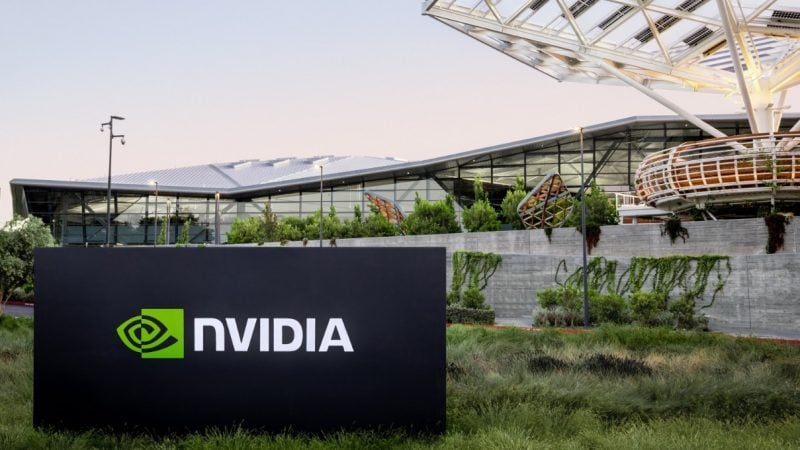
Jacobs launches digital twin platform for AI data centers at NVIDIA GTC

Jacobs launches digital twin platform for AI data centers at NVIDIA GTC

The engineering giant's new data center digital twin, built on NVIDIA Omniverse, aims to simulate and optimize gigawatt-scale AI factories before a single shovel hits dirt.

Jacobs Solutions announced it will deploy a data center digital twin platform built on NVIDIA Omniverse libraries at a US AI research and development facility. The announcement came during NVIDIA’s GTC 2026 keynote, delivered by CEO Jensen Huang on March 16.

What a digital twin actually does

Jacobs’ Data Center Digital Twin solution leverages the NVIDIA Omniverse DSX blueprint, integrating computing, power, cooling, and water management systems into a single simulation layer. The goal is straightforward: find inefficiencies, reduce energy consumption, and accelerate the timeline from blueprint to revenue generation.

Advertisement

The first module of the solution is available now, with additional modules planned for future rollout. Those expansions will include standardized reference designs for facilities ranging from massive gigawatt-scale installations down to smaller 250-megawatt setups. These AI data centers, increasingly referred to as “AI factories,” consume energy at a scale that makes traditional server farms look like home offices.

Jacobs is drawing on existing relationships with clients including NVIDIA, Hut 8, and PsiQuantum to inform its approach.

What this means for the AI infrastructure race

Jacobs Solutions trades on the NYSE under the ticker J, and the market’s initial reaction to the announcement was modestly positive, with shares rising 0.9% in after-hours trading. The company’s $26.3 billion fiscal 2025 backlog, up 21% year-over-year, reflects accelerating demand in the advanced facilities sector.

Jacobs’ collaboration with NVIDIA on this front dates back to 2025, suggesting the digital twin platform has been in development for over a year. The choice to unveil it at GTC, NVIDIA’s flagship developer conference, signals that both companies view this as more than a one-off project.

The 250-megawatt reference designs could appeal to a growing segment of regional and enterprise-grade AI deployments that don’t need a full gigawatt campus but still face serious engineering complexity.

Disclosure: This article was edited by Diego Almada Lopez. For more information on how we create and review content, see our Editorial Policy.
Jacobs launches digital twin platform for AI data centers at NVIDIA GTC

The engineering giant's new data center digital twin, built on NVIDIA Omniverse, aims to simulate and optimize gigawatt-scale AI factories before a single shovel hits dirt.

Jacobs Solutions announced it will deploy a data center digital twin platform built on NVIDIA Omniverse libraries at a US AI research and development facility. The announcement came during NVIDIA’s GTC 2026 keynote, delivered by CEO Jensen Huang on March 16.

What a digital twin actually does

Jacobs’ Data Center Digital Twin solution leverages the NVIDIA Omniverse DSX blueprint, integrating computing, power, cooling, and water management systems into a single simulation layer. The goal is straightforward: find inefficiencies, reduce energy consumption, and accelerate the timeline from blueprint to revenue generation.

Advertisement

The first module of the solution is available now, with additional modules planned for future rollout. Those expansions will include standardized reference designs for facilities ranging from massive gigawatt-scale installations down to smaller 250-megawatt setups. These AI data centers, increasingly referred to as “AI factories,” consume energy at a scale that makes traditional server farms look like home offices.

Jacobs is drawing on existing relationships with clients including NVIDIA, Hut 8, and PsiQuantum to inform its approach.

What this means for the AI infrastructure race

Jacobs Solutions trades on the NYSE under the ticker J, and the market’s initial reaction to the announcement was modestly positive, with shares rising 0.9% in after-hours trading. The company’s $26.3 billion fiscal 2025 backlog, up 21% year-over-year, reflects accelerating demand in the advanced facilities sector.

Jacobs’ collaboration with NVIDIA on this front dates back to 2025, suggesting the digital twin platform has been in development for over a year. The choice to unveil it at GTC, NVIDIA’s flagship developer conference, signals that both companies view this as more than a one-off project.

The 250-megawatt reference designs could appeal to a growing segment of regional and enterprise-grade AI deployments that don’t need a full gigawatt campus but still face serious engineering complexity.

Disclosure: This article was edited by Diego Almada Lopez. For more information on how we create and review content, see our Editorial Policy.