The bootstrapped hardware company is proving that dedicated AI devices can compete in a market dominated by software-only solutions
Plaud has carved out something unusual: a hardware-first business that actually makes money.
The San Francisco-based company reports $100 million in annualized recurring revenue from its subscription services, powered by the shipment of more than 2 million dedicated AI notetaker devices. For a company that started with a $1 million crowdfunding campaign, that’s a remarkable trajectory.
Hardware in a software world
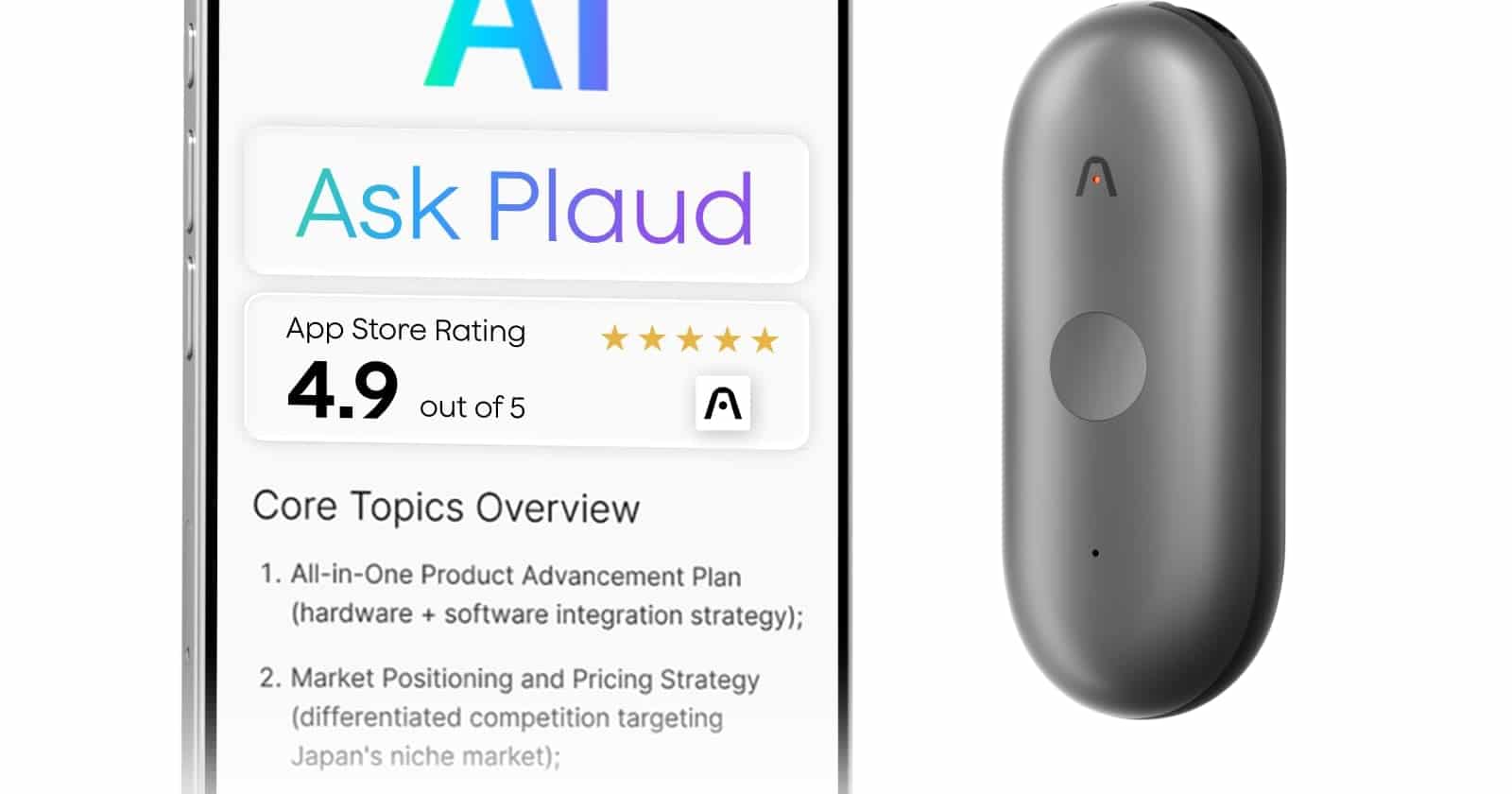
Plaud’s approach runs counter to nearly everything the tech industry has preached for the past decade. While competitors like Otter and Granola have built software-only meeting transcription tools, Plaud sells physical devices, the Plaud Note, NotePin, and the newer Note Pro, that pair with subscription-based AI services for transcription, summarization, and professional insights.
Founded in 2021 by Nathan Xu and co-founder Charles Liu, the company raised approximately $5 million after its initial crowdfunding round. Revenue estimates from research firm Sacra project Plaud could reach around $250 million in annualized revenue by September 2025, representing an 83% year-over-year increase.
Expanding the product line and enterprise ambitions
Plaud launched its Note Pro device in October 2025 and used CES 2026 to announce the NotePin S wearable alongside a Plaud Desktop app designed to capture online meetings.
The bigger strategic play came in April 2025, when Plaud acquired StarJar, a Y Combinator-affiliated AI medical firm. Healthcare and legal services are two sectors where accurate transcription isn’t just convenient, it’s a compliance requirement.
The company’s user base spans over 1.5 to 2 million users globally, drawn primarily from professional sectors where the cost of missing a detail in a meeting can be measured in lawsuits or misdiagnoses rather than mild embarrassment.
The bootstrapped anomaly
Plaud took roughly $6 million in total funding and built a business generating $100 million in recurring revenue. The hardware component creates switching costs: once someone owns a Plaud device, they’re significantly more likely to maintain their subscription than someone who downloaded a free app and can switch to another free app tomorrow.
Plaud’s answer to the competitive challenge from bundled enterprise software is a dedicated device that works in places where software can’t. In-person client meetings, courtroom proceedings, bedside consultations — these are environments where pulling up a laptop and launching a transcription app ranges from awkward to professionally inappropriate.