
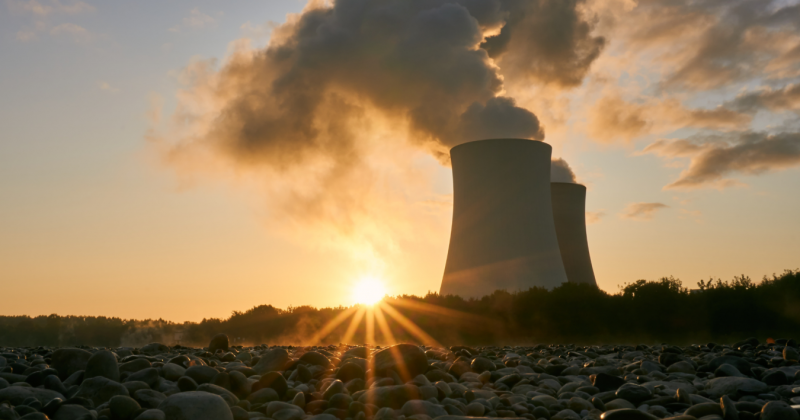
US nuclear site plans 1 gigawatt data center, and crypto miners should pay attention
The Department of Energy is building massive AI computing infrastructure at the Savannah River Site, with a nuclear power transition that could reshape how the US thinks about energy-hungry data operations.
The US government just decided that a Cold War-era nuclear weapons site in South Carolina is the perfect place for a massive data center.
The National Nuclear Security Administration announced on July 21 that Amentum, a private engineering and construction firm, will develop a 1 gigawatt data center at the Savannah River Site, along with 2 GW of additional on-site energy generation. To put that in perspective, 1 GW is roughly enough to power 750,000 homes, or in data center terms, enough juice to run one of the largest computing facilities on the planet.
What’s actually happening here
The Savannah River Site sits in southwest South Carolina on federally secured land that has been under Department of Energy control since the 1950s. It originally existed to produce nuclear materials during the arms race. Now it’s getting a second life as an AI computing hub.
The energy plan is a two-phase approach. Initial power generation will run on natural gas. The longer-term vision involves transitioning to nuclear power.
Amentum, the contractor tapped for the project, handles complex engineering and construction projects for government agencies.
AI, tech, and the markets they move—in one daily briefing.
Daily. Free. Join 34,000+ readers across crypto, finance, and policy.
Why crypto should be watching this closely
The official framing of this project is entirely about AI. There are no reported ties to cryptocurrency mining, blockchain infrastructure, or digital asset operations of any kind.
The nuclear transition is significant. Nuclear power produces zero carbon emissions during operation, which directly addresses the environmental criticism that has dogged proof-of-work mining.
A 1 GW data center with 2 GW of supporting generation leaves headroom, with 2 GW of generation feeding a 1 GW data center.
The competitive landscape is shifting fast
Major tech companies have been racing to secure power for their own AI ambitions. Microsoft, Google, and Amazon have all pursued nuclear energy deals in recent months. The difference here is that the federal government is building the infrastructure itself, on its own land, with its own contractor.