
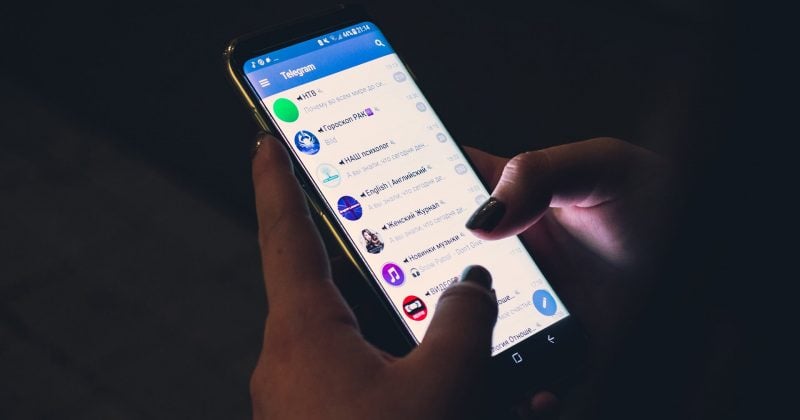
Via androidauthority.com
Telegram restores App Store listing after India-driven delisting
The messaging giant's brief disappearance from major app stores highlights the growing tension between encrypted platforms and government regulation.
Telegram is back on both the Apple App Store and Google Play Store after a temporary delisting that started around June 16, triggered by Indian government orders aimed at preventing exam paper leaks. The app was reinstated on June 23, and availability is expected to return to all users shortly.
India’s government ordered the delisting under Section 69A of its Information Technology Act, a provision that grants authorities the power to block public access to digital content in the interest of national security, public order, or sovereignty. In this case, officials feared that Telegram channels were being used to circulate leaked question papers for the NEET-UG re-examination, one of the country’s most competitive and politically sensitive standardized tests.
The move went beyond just app store removals. Network-level blocks were also implemented, meaning that even users who already had Telegram installed faced disruptions in some regions.
The NEET-UG re-examination concluded on or before June 22. By June 23, Google had restored Telegram’s Play Store listing, and Apple followed suit with its own reinstatement around the same time.
As of early August, the official Telegram Messenger app is live on the US Apple App Store with its standard listing status of “Free · In-App Purchases” and listing ID 686449807.
AI, tech, and the markets they move—in one daily briefing.
Daily. Free. Join 34,000+ readers across crypto, finance, and policy.
The platform’s native blockchain, The Open Network (TON), and its associated token Toncoin have turned Telegram into a direct participant in the crypto economy. Any threat to Telegram’s distribution, whether from regulatory action in India or elsewhere, is effectively a threat to the accessibility of TON-based services, mini-apps, and the broader ecosystem of projects building on top of Telegram’s 900-million-plus user base.
This isn’t even Telegram’s first brush with app store removal. Apple briefly pulled Telegram in February 2018 over concerns about inappropriate content. That situation was resolved quickly, but it established a precedent that app store gatekeepers can and will respond to government pressure.
The quick turnaround, roughly one week from delisting to restoration, suggests that these disruptions are increasingly treated as temporary inconveniences rather than existential threats. India represents one of Telegram’s largest user bases, and any prolonged removal from Indian app stores would have meaningful implications for user growth metrics, engagement data, and by extension, the value proposition of projects building mini-apps and financial services within Telegram’s walled garden.
For Toncoin holders specifically, this incident is a reminder that the token’s value is tightly coupled to Telegram’s operational continuity and global reach. A week-long disruption in one country is manageable. Simultaneous regulatory actions across multiple major markets would be a very different story.