
TSMC reportedly weighs CoWoS price hikes of up to 20% as AI packaging stays scarce

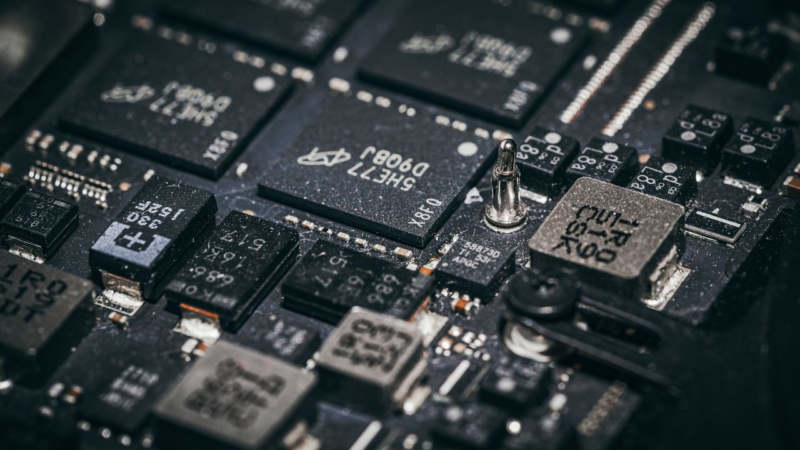
Photo: Jakub Pabis / Pexels

TSMC reportedly weighs CoWoS price hikes of up to 20% as AI packaging stays scarce

The chipmaker's advanced packaging service remains a bottleneck for AI accelerators, and customers may soon pay more for it

TSMC is reportedly considering raising prices on its CoWoS advanced packaging services by up to 20%.

What CoWoS is and why it matters

CoWoS, short for Chip on Wafer on Substrate, is the stage that holds the band together. It places multiple chips side by side on a silicon interposer, a thin layer packed with fine connections, which then sits on a substrate.

It lets separate chips behave like one giant chip. That matters a lot for AI workloads, which constantly move huge amounts of data between processor and memory.

The details of the reported hikes

According to the research findings, TSMC’s planned increases fall in a range of 10-20% for CoWoS services. The adjustments reportedly apply from 2025 onward.

The more notable detail is who has reportedly signed off. TSMC has received approval for the higher prices from major customers, including NVIDIA, per the findings.

Advertisement

Discussions about further increases in 2026 are reportedly ongoing.

TSMC’s CoWoS output is projected to reach 120,000-130,000 wafers per month by late 2026. Even at that level, demand is expected to exceed supply by roughly 10-20%. TSMC’s CEO has stressed that demand remains much higher than supply, and the findings point to a bottleneck lasting until at least 2028.

TSMC is outsourcing part of the job

TSMC is not relying only on its own facilities to close the gap. It is outsourcing portions of its CoWoS-S process through partnerships.

The biggest of these is a $2 billion, five-year agreement with GlobalFoundries. Under the deal, GlobalFoundries will make silicon interposers at its facility in Malta, New York.

Production there is targeted to begin in 2028, with the ramp-up aimed at the first half of that year.

The rest of the packaging market is moving too

ASE Technology and other OSATs have raised their advanced packaging quotes by more than 20% in 2026, according to the findings. That’s a higher ceiling than TSMC’s reported range.

The pressure lands most heavily on leading AI chip customers like NVIDIA and AMD. Their cost structures depend heavily on access to advanced packaging.

What this means for chip buyers and the AI supply chain

The direct cost impact looks modest on paper. Packaging price increases are expected to lift the bill-of-materials costs for AI accelerators by approximately 2-4.5%.

The GlobalFoundries deal gives TSMC a US-based interposer source, which arrives as supply chain location increasingly matters to chip buyers.

The main things to watch are whether the reported 2026 increases materialize and whether capacity actually hits the 120,000-130,000 wafers-per-month target. If capacity lands short, the 10-20% demand gap could widen rather than close.

The 2028 timeline matters. That’s when GlobalFoundries’ interposer production is slated to start and roughly when the bottleneck is expected to ease, meaning buyers may face a seller’s market in advanced packaging for a while yet.

Disclosure: This article was edited by Diego Almada Lopez. For more information on how we create and review content, see our Editorial Policy.
TSMC reportedly weighs CoWoS price hikes of up to 20% as AI packaging stays scarce

The chipmaker's advanced packaging service remains a bottleneck for AI accelerators, and customers may soon pay more for it

Photo: Jakub Pabis / Pexels

TSMC is reportedly considering raising prices on its CoWoS advanced packaging services by up to 20%.

What CoWoS is and why it matters

CoWoS, short for Chip on Wafer on Substrate, is the stage that holds the band together. It places multiple chips side by side on a silicon interposer, a thin layer packed with fine connections, which then sits on a substrate.

It lets separate chips behave like one giant chip. That matters a lot for AI workloads, which constantly move huge amounts of data between processor and memory.

The details of the reported hikes

According to the research findings, TSMC’s planned increases fall in a range of 10-20% for CoWoS services. The adjustments reportedly apply from 2025 onward.

The more notable detail is who has reportedly signed off. TSMC has received approval for the higher prices from major customers, including NVIDIA, per the findings.

Advertisement

Discussions about further increases in 2026 are reportedly ongoing.

TSMC’s CoWoS output is projected to reach 120,000-130,000 wafers per month by late 2026. Even at that level, demand is expected to exceed supply by roughly 10-20%. TSMC’s CEO has stressed that demand remains much higher than supply, and the findings point to a bottleneck lasting until at least 2028.

TSMC is outsourcing part of the job

TSMC is not relying only on its own facilities to close the gap. It is outsourcing portions of its CoWoS-S process through partnerships.

The biggest of these is a $2 billion, five-year agreement with GlobalFoundries. Under the deal, GlobalFoundries will make silicon interposers at its facility in Malta, New York.

Production there is targeted to begin in 2028, with the ramp-up aimed at the first half of that year.

The rest of the packaging market is moving too

ASE Technology and other OSATs have raised their advanced packaging quotes by more than 20% in 2026, according to the findings. That’s a higher ceiling than TSMC’s reported range.

The pressure lands most heavily on leading AI chip customers like NVIDIA and AMD. Their cost structures depend heavily on access to advanced packaging.

What this means for chip buyers and the AI supply chain

The direct cost impact looks modest on paper. Packaging price increases are expected to lift the bill-of-materials costs for AI accelerators by approximately 2-4.5%.

The GlobalFoundries deal gives TSMC a US-based interposer source, which arrives as supply chain location increasingly matters to chip buyers.

The main things to watch are whether the reported 2026 increases materialize and whether capacity actually hits the 120,000-130,000 wafers-per-month target. If capacity lands short, the 10-20% demand gap could widen rather than close.

The 2028 timeline matters. That’s when GlobalFoundries’ interposer production is slated to start and roughly when the bottleneck is expected to ease, meaning buyers may face a seller’s market in advanced packaging for a while yet.

Disclosure: This article was edited by Diego Almada Lopez. For more information on how we create and review content, see our Editorial Policy.