
US Central Command intercepts Iranian missiles, strikes radar sites in Strait of Hormuz escalation
Bitcoin slid to $65,385 as US forces shot down drones and ballistic missiles, then hit Iranian radar installations on two islands, rattling markets that move on geopolitical fear.
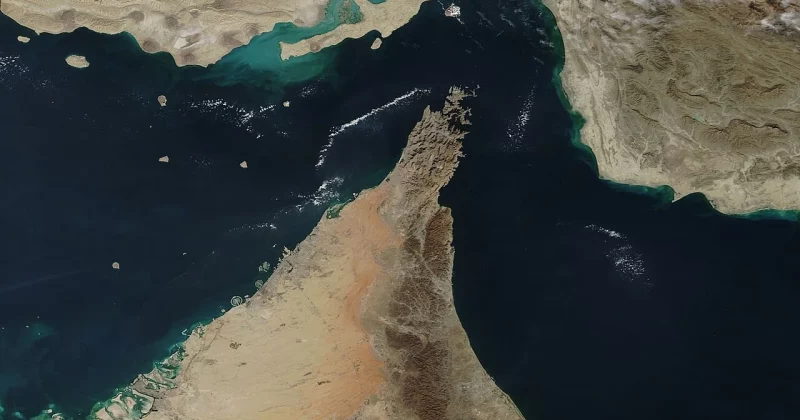
US Central Command intercepted eleven Iranian aerial threats over the Strait of Hormuz on Friday, then struck Iranian coastal radar sites in retaliation. Bitcoin dropped to $65,385 as the confrontation unfolded.
The incident marks one of the most direct US-Iran military confrontations in recent memory, centered on a waterway that carries roughly 20% of the world’s oil supply.
What happened in the Strait
Iranian forces launched four one-way attack drones and seven ballistic missiles targeting the Strait of Hormuz and neighboring Gulf states, including Kuwait and Bahrain. US forces intercepted all four drones and six of the seven missiles. The seventh missile missed its intended target on its own, meaning none of the eleven threats reached their mark.
In response, US military assets struck Iranian coastal surveillance radar installations on Goruk Island and Qeshm Island. Both islands sit near the strait’s narrow passage, and the radar sites there serve as Iran’s eyes on maritime traffic moving through the channel.
The Strait of Hormuz is only about 21 miles wide at its narrowest point, and roughly a fifth of all oil consumed globally passes through it.
Bitcoin’s geopolitical stress test
Bitcoin fell to $65,385 as the escalation became public. Previous incidents of this nature have triggered liquidations exceeding $1B across crypto markets. Leveraged long positions are particularly vulnerable during these episodes because the sell-off tends to be fast and indiscriminate.
The news moving money, markets, and the world—before your day starts.
Daily. Free. Join 34,000+ readers across crypto, finance, and policy.
The oil-crypto connection most investors miss
When oil spikes on supply fears, it feeds into inflation data. Persistent inflation keeps interest rates elevated. Elevated rates make yield-bearing assets more attractive relative to non-yielding assets like Bitcoin.
Saudi Arabia, Iraq, Kuwait, and the UAE all depend on the Strait of Hormuz to export crude.
For Bitcoin miners, higher energy costs are a direct hit to margins.
US-Iran tensions have been building for months, characterized by military posturing and stalled diplomatic negotiations.
The destruction of Iranian radar sites on Goruk and Qeshm islands represents a capability reduction. Iran’s ability to threaten commercial shipping has been materially diminished, at least temporarily.