Fractile raises $720M to advance AI chip development
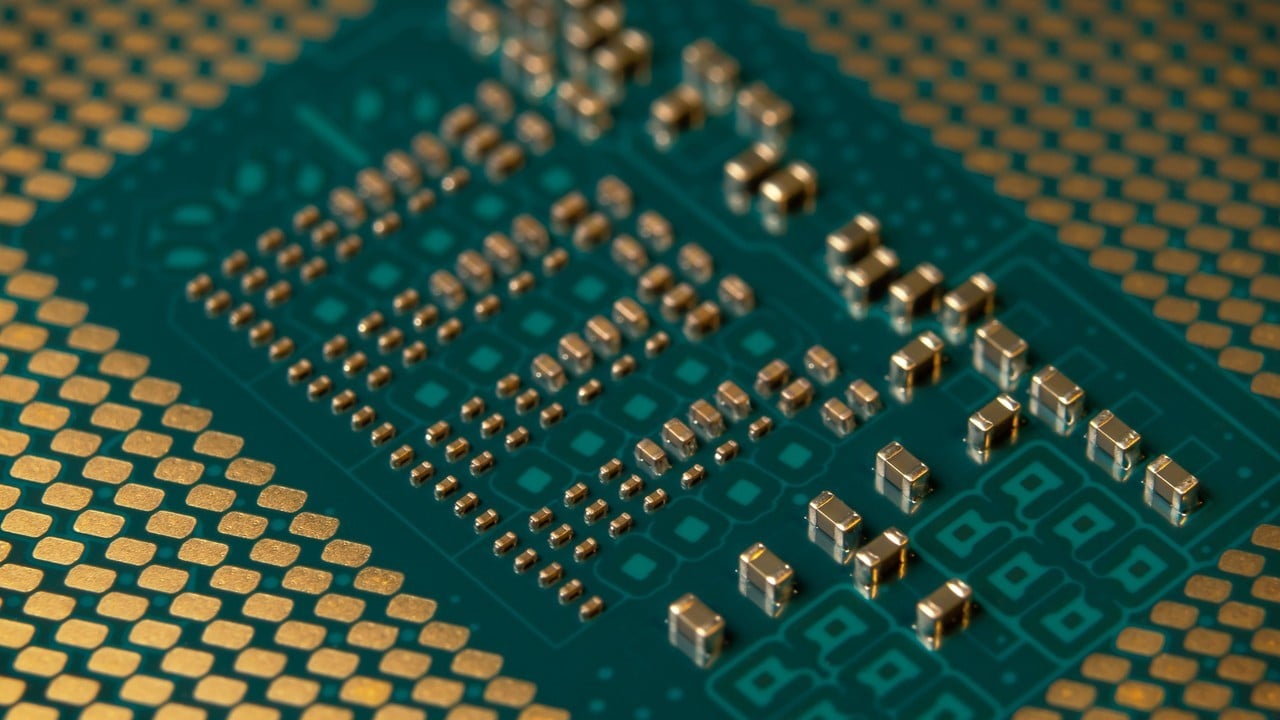
Photo: ed br / Pexels
The London and Bristol startup now carries a $7 billion valuation and is still building toward its first commercial chips
Fractile, a UK startup building chips designed to run AI models, has closed a $720 million Series C round at a post-money valuation of $7 billion.
The company has not shipped a production chip yet. Investors paid up anyway, which says a lot about where the AI hardware market’s attention has drifted.
The round, dated November 11, 2026, lands about six months after Fractile’s previous raise.
A valuation that refused to sit still
In May 2026, Fractile raised a $220 million Series B. That round valued the company at approximately $1.1 billion.
The new Series C puts it at $7 billion. That is more than six times the earlier figure, in roughly half a year.
The investor list reads like a who’s who of late-stage tech money. Thrive Capital, Founders Fund, Lightspeed Venture Partners and Redpoint led the round.
Others joined too. CapitalG, the independent venture arm of Alphabet, participated, as did BlackRock and DST Global, among other backers.
What Fractile is actually building
Fractile was founded in 2022 by Walter Goodwin, a researcher from Oxford. The company operates out of London and Bristol.
Its focus is inference, the part of the AI lifecycle that happens after a model is trained. Every time someone asks a chatbot a question, generates an image or runs an AI agent, that is inference.
AI, tech, and the markets they move—in one daily briefing.
Daily. Free. Join 34,000+ readers across crypto, finance, and policy.
Fractile’s specific bet involves memory. Its design stacks DRAM, a common type of working memory, directly onto the processor itself.
By placing the memory right on top of the processor, Fractile is aiming to shorten that trip and reduce the bandwidth limits that slow inference down.
The company plans to manufacture its first commercial chips in 2027. It anticipates data-center deployments that same year, with the goal of improving performance and efficiency over existing options.
There are also signs of potential interest from Anthropic as an early customer. That interest has not been framed as a finalized deal, so it remains a possibility rather than a signed contract.
The UK wants its own chips
Fractile’s raise also fits into a broader policy push in Britain. The UK government has been working to strengthen domestic AI manufacturing capabilities.
In comments tied to that effort, the government said the country should be in a position where it:
has a greater stake in the hardware that will underpin its future economy
Fractile is not alone in chasing this market. Axelera, Etched and OLIX are among the other well-funded startups building purpose-built AI chips.
What this means for the AI hardware race
The obvious backdrop is Nvidia. The company currently dominates the inference chip market, and much of the investor enthusiasm around startups like Fractile reflects demand for credible alternatives.
Chip development is expensive, slow and unforgiving. A design that looks elegant on paper still has to be fabricated, tested, integrated with software and adopted by customers who are used to existing tools.
For investors, the size of the valuation jump sets a high bar. A $7 billion price on a company without production chips assumes the stacked-DRAM approach delivers real-world gains, and that customers actually show up.
The key items to watch are straightforward. First, whether Fractile hits its 2027 manufacturing target. Second, whether any early customer interest, including from Anthropic, turns into confirmed deployments.
Third, how its rivals respond. Axelera, Etched and OLIX are chasing the same prize.
Disclosure: This article was edited by Diego Almada Lopez. For more information on how we create and review content, see our Editorial Policy.

