
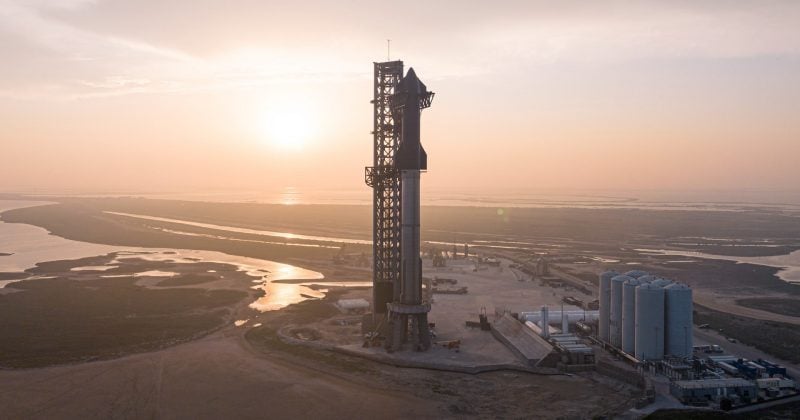
SpaceX gears up for Starship Flight 13 after last week’s launch scrub
The next attempt to launch the world's most powerful rocket carries implications for Starlink expansion and the broader Musk financial ecosystem
SpaceX is taking another swing at launching its Starship mega-rocket after an ignition issue killed last week’s attempt at the literal last second. Flight 13, targeting a July 23 launch from Starbase in Boca Chica, Texas, will carry 20 Starlink V3 satellites and test a series of engineering fixes that could determine the pace of SpaceX’s most ambitious program.
What happened and what’s next
On July 16, SpaceX’s Super Heavy booster experienced ignition problems at T-0 seconds, forcing controllers to scrub the launch. The rescheduled attempt has a 90-minute launch window opening at 5:45 p.m. CT on July 23. SpaceX will use Booster 20 and Ship 40, both built in the newer V3 configuration that debuted during Flight 12 back on May 22.
Flight 12 was a milestone in its own right. It marked the first use of V3 vehicles and Raptor 3 engines, and it was also the first launch from SpaceX’s newly operational Pad 2.
Flight 13’s objectives go beyond just getting off the ground. SpaceX wants to test the heat shield’s performance under high dynamic pressure, attempt an in-space Raptor engine relight, and execute the booster flip maneuver that has been refined after previous flight anomalies. The mission will also deploy 20 Starlink V3 satellites.
Why crypto investors should pay attention to rockets
There is no SpaceX token and no crypto assets have been associated with Flight 13. However, Musk remains one of the most influential figures in the digital asset space, and his companies’ fortunes affect market sentiment. When Tesla’s stock moves, Dogecoin traders pay attention.
AI, tech, and the markets they move—in one daily briefing.
Daily. Free. Join 34,000+ readers across crypto, finance, and policy.
The Starlink business has potential implications for decentralized physical infrastructure networks (DePIN). Satellite-based internet could support blockchain node operations in remote locations and create new markets for space-based data services. Several DePIN projects have already flagged reduced launch costs as a key variable in their economic models.
The competitive and market landscape
Flight 13’s V3 satellites represent the next generation of Starlink hardware, offering improved bandwidth and coverage. A successful launch would validate engineering modifications to the booster flip maneuver and in-space engine relight capabilities that were flagged after previous flight anomalies.
Musk’s public statements around launches have historically moved markets, particularly in Dogecoin and other Musk-correlated tokens. This launch attempt comes during a period of relative stability in crypto markets.